
Arthroscopic Surgery in Lincoln & Omaha, NE
Arthroscopic surgery is a minimally invasive orthopaedic procedure used to diagnose and treat joint conditions using a small camera (arthroscope) and specialized surgical instruments. This technique allows for precise treatment of joint injuries while minimizing tissue disruption and promoting faster recovery.
Arthroscopy is commonly performed on joints such as:
- Knee
- Shoulder
- Hip
- Ankle
- Elbow
Matthew Byington, DO provides advanced arthroscopic surgical care in Lincoln and Omaha, Nebraska, offering treatment for a wide range of sports injuries and degenerative joint conditions.
What Conditions Can be Treated with Arthroscopic Surgery?
Arthroscopic surgery is used to treat a variety of joint problems, including:
- Ligament injuries (ACL, PCL, etc.)
- Meniscus tears
- Cartilage damage
- Rotator cuff tears
- Labral tears
- Synovitis (joint inflammation)
- Loose bodies in the joint
- Impingement syndromes
- Joint instability
- Early arthritis-related conditions
What are the Benefits of Arthroscopic Surgery?
Arthroscopy offers several advantages compared to traditional open surgery, including:
- Smaller incisions
- Reduced pain
- Less tissue disruption
- Lower risk of complications
- Faster recovery
- Shorter hospital stay
- Improved visualization of joint structures
How is Arthroscopic Surgery Performed?
Arthroscopic surgery is typically performed under regional or general anesthesia using small incisions around the joint.
During the procedure:
- A small camera (arthroscope) is inserted into the joint
- High-definition images are displayed on a monitor
- Specialized instruments are used to repair or remove damaged tissue
- Procedures such as trimming, reconstruction, or repair are performed
- The incisions are closed with sutures or sterile strips
Common arthroscopic procedures include:
- ACL reconstruction
- Meniscus repair or removal
- Rotator cuff repair
- Labral repair
- Cartilage restoration procedures
- Synovectomy
Recovery after Arthroscopic Surgery
Recovery depends on the type of procedure performed and the joint involved.
Postoperative care may include:
- Rest and joint protection
- Ice and swelling control
- Physical therapy
- Gradual return to activity
- Strengthening and mobility exercises
Many patients experience quicker recovery compared to open surgery, although rehabilitation is essential for optimal outcomes.
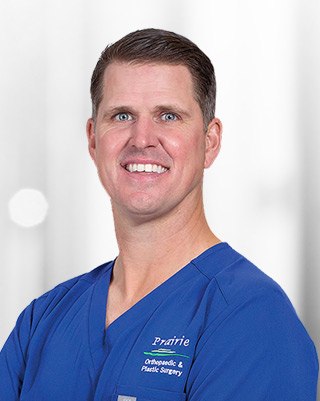
Matthew Byington, DO Board Certified Orthopaedic Surgeon
Dr. Matthew Byington is a board certified Orthopedic Surgeon, specializing in minimally invasive arthroscopic techniques and sports medicine. He specializes in Shoulder, Knee and Elbow conditions, although he treats all orthopedic conditions.
When is Arthroscopic Surgery Recommended?
Arthroscopic surgery may be recommended when:
- Non-surgical treatments fail to relieve symptoms
- Persistent joint pain or swelling is present
- Mechanical symptoms such as locking or catching occur
- Ligament or cartilage injuries affect function
- Sports injuries limit activity
- Joint instability is present
Treatment recommendations are based on the patient’s condition, activity level, and overall joint health.
Risks & Complications
While arthroscopy is generally safe, potential risks may include:
- Infection
- Blood clots
- Swelling
- Stiffness
- Persistent pain
- Nerve or blood vessel injury
- Incomplete symptom relief
- Need for additional surgery
Why Choose Dr. Byington for Arthroscopic Surgery?
Matthew Byington, DO is a fellowship-trained orthopaedic surgeon specializing in sports medicine and minimally invasive joint procedures. He provides expert care for:
- Knee injuries
- Shoulder injuries
- Sports-related conditions
- Ligament and cartilage injuries
- Joint preservation procedures
His approach focuses on restoring function, minimizing recovery time, and helping patients return to active lifestyles safely and efficiently.
Frequently Asked Questions About Arthroscopic Surgery
What is arthroscopic surgery?
Arthroscopic surgery is a minimally invasive procedure that uses a camera and small instruments to diagnose and treat joint conditions.
Is arthroscopic surgery painful?
Most patients experience less pain compared to open surgery due to smaller incisions and reduced tissue trauma.
How long does recovery take?
Recovery varies depending on the procedure, but many patients return to normal activities faster than with traditional surgery.
Will I need physical therapy?
Yes. Rehabilitation is an important part of recovery to restore strength, flexibility, and joint function.
Can athletes return to sports after arthroscopy?
Many athletes successfully return to sports following proper healing and rehabilitation.
Restore Joint Function & Return to Activity
If joint pain, injury, or limited mobility is affecting your daily life, schedule an evaluation with Matthew Byington, DO to discuss personalized arthroscopic surgery treatment options in Lincoln and Omaha, Nebraska.