
Rotator Cuff Repair Surgery in Lincoln & Omaha, NE
Rotator cuff repair is a surgical procedure used to treat tears in the rotator cuff, a group of tendons in the shoulder that provide stability and enable a wide range of motion. Rotator cuff tears are one of the most common causes of shoulder pain in middle-aged and older adults and may result from repetitive overhead activity, sports injuries, or trauma such as a fall or motor vehicle accident. A torn rotator cuff can cause significant pain, weakness, stiffness, and difficulty lifting or rotating the arm. Rotator cuff repair restores tendon function by reattaching the torn tendons to the shoulder bone.
Matthew Byington, DO provides evaluation and treatment for shoulder injuries in Lincoln and Omaha, including arthroscopic rotator cuff repair procedures.
What Is the Rotator Cuff?
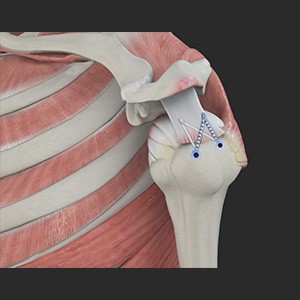
The rotator cuff is a group of four muscles and their tendons that surround the shoulder joint. These tendons keep the head of the upper arm bone securely within the shoulder socket and allow smooth, controlled movement of the arm in multiple directions.
When one or more of these tendons tear, shoulder strength and stability are significantly affected.
Causes of Rotator Cuff Tears
Rotator cuff injuries commonly occur due to:
- Repetitive overhead arm movements
- Sports activities (throwing, swimming, tennis)
- Age-related tendon degeneration
- Sudden lifting injuries
- Falls onto the shoulder or outstretched arm
- Motor vehicle accidents
- Chronic shoulder impingement
Symptoms of Rotator Cuff Tear
Patients may experience:
- Shoulder pain, especially at night
- Weakness when lifting or rotating the arm
- Difficulty reaching overhead or behind the back
- Clicking or crackling sensation in the shoulder
- Stiffness and reduced range of motion
- Tenderness in the front or side of the shoulder
- Progressive loss of function
How Rotator Cuff Tears Are Diagnosed
Diagnosis typically includes:
- Medical history and physical examination
- Strength and range-of-motion testing
- X-rays to assess bone structure and rule out arthritis
- MRI to confirm tendon tears and evaluate severity
- Ultrasound in some cases for dynamic evaluation
MRI is the most common imaging study used to evaluate rotator cuff injuries.
When Is Rotator Cuff Repair Recommended?
Rotator cuff repair may be recommended for:
- Full-thickness rotator cuff tears
- Persistent shoulder pain despite conservative treatment
- Weakness affecting daily activities
- Loss of shoulder function or mobility
- Traumatic tendon injuries
- Failure of physical therapy, medications, or injections
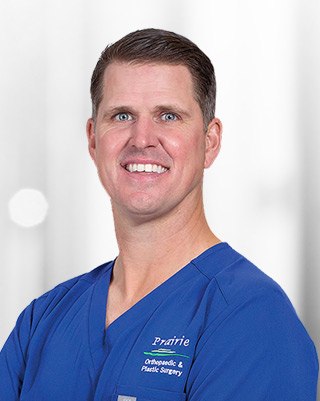
Matthew Byington, DO Board Certified Orthopaedic Surgeon
Dr. Matthew Byington is a board certified Orthopedic Surgeon, specializing in minimally invasive arthroscopic techniques and sports medicine. He specializes in Shoulder, Knee and Elbow conditions, although he treats all orthopedic conditions.
How Rotator Cuff Repair Is Performed
Rotator cuff repair can be performed using arthroscopic or open techniques, with arthroscopy being the most common modern approach.
Surgical steps may include:
- Small incisions around the shoulder
- Insertion of an arthroscope (camera) for visualization
- Evaluation of tendon damage and shoulder structures
- Preparation of the bone surface for tendon healing
- Placement of suture anchors into the humerus (upper arm bone)
- Reattachment of torn tendons to the bone
- Confirmation of secure tendon fixation
- Closure of small incisions with sutures or steri-strips
The goal is to restore tendon continuity and shoulder strength.
Arthroscopic Rotator Cuff Repair Advantages
Compared to traditional open surgery, arthroscopic repair offers:
- Smaller incisions
- Less soft tissue damage
- Reduced postoperative pain
- Faster recovery
- Lower infection risk
- Minimal scarring
- Earlier mobilization
- Outpatient (same-day) procedure in most cases
Recovery After Rotator Cuff Repair
Recovery is gradual and structured:
- Use of a sling to protect the shoulder
- Pain and inflammation management
- Early passive motion exercises
- Physical therapy for range of motion
- Gradual strengthening of shoulder muscles
- Return to daily activities over time
- Full recovery may take several months depending on tear severity
Rehabilitation is essential to ensure proper healing and restore function.
Benefits of Rotator Cuff Repair
- Reduced shoulder pain
- Improved strength and function
- Restored range of motion
- Better ability to perform overhead activities
- Improved sleep quality
- Prevention of further tendon damage
Risks & Complications
Possible risks include:
- Infection
- Shoulder stiffness
- Re-tear of the rotator cuff
- Nerve or blood vessel injury
- Persistent pain
- Limited range of motion
- Blood clots (rare)
- Incomplete healing
Why Choose Matthew Byington, DO
Matthew Byington, DO specializes in sports medicine and minimally invasive shoulder surgery, including arthroscopic rotator cuff repair. His approach focuses on restoring strength, relieving pain, and helping patients return safely to daily and athletic activities.
Treatment is individualized based on tear size, activity level, and functional goals.
Frequently Asked Questions
Does every rotator cuff tear require surgery?
No, smaller tears may respond to non-surgical treatment.
How long is recovery?
Recovery can take several months depending on the severity of the tear.
Is rotator cuff surgery painful?
Pain is expected initially but improves with medication and therapy.
Will I need physical therapy?
Yes, rehabilitation is essential for recovery.
Can the tendon tear again?
Re-tear is possible, especially with large or complex injuries.
Restore Shoulder Strength & Function
If shoulder pain or weakness is limiting your ability to work, sleep, or perform daily activities, rotator cuff repair may help restore function and relieve pain.
Schedule a consultation with Matthew Byington, DO to discuss your treatment options.