
Tendon Repair Surgery in Lincoln & Omaha, NE
Tendon repair surgery is a procedure performed to restore the function of a torn or damaged tendon, the strong fibrous tissue that connects muscle to bone. Tendons play a critical role in joint movement, strength, and stability, and injury can significantly affect mobility and daily function.
Tendon injuries may occur due to acute trauma, sports-related activities, or degenerative changes over time. Surgical repair is often recommended when the tendon is completely torn or when non-surgical treatments fail to restore function.
Matthew Byington, DO provides comprehensive care for tendon injuries in Lincoln and Omaha, Nebraska, offering advanced surgical techniques to restore strength, mobility, and performance.
What Causes Tendon Injuries?
Tendon injuries may result from:
- Sports-related trauma
- Sudden force or overloading
- Repetitive stress or overuse
- Degenerative tendon changes (tendinopathy)
- Falls or direct impact injuries
- Age-related weakening of tendons
Common tendon injuries treated surgically include:
- Rotator cuff tears (shoulder)
- Achilles tendon ruptures (ankle)
- Patellar tendon tears (knee)
- Quadriceps tendon tears
- Biceps tendon injuries
- Elbow tendon injuries
Symptoms of Tendon Injury
Symptoms may vary depending on the location and severity of the injury but commonly include:
- Pain at the site of injury
- Swelling
- Weakness
- Limited range of motion
- Difficulty moving the affected joint
- A popping or snapping sensation at the time of injury
- Visible deformity (in complete tears)
Untreated tendon tears may lead to long-term weakness and loss of function.
How are Tendon Injuries Diagnosed?
Evaluation typically includes:
- Medical history review
- Physical examination
- Strength and motion assessment
- Functional testing
Imaging studies may include:
X-rays to evaluate:
- Bone injury
- Joint alignment
MRI or Ultrasound to evaluate:
- Tendon tears
- Soft tissue damage
- Degree of injury
- Associated ligament or cartilage conditions
Accurate diagnosis helps guide treatment planning.
Non-Surgical Treatment Options
Some partial tendon injuries may be managed with conservative care, including:
- Rest and activity modification
- Bracing or immobilization
- Anti-inflammatory medications
- Physical therapy
- Strengthening and flexibility exercises
Surgery is typically recommended for complete tears or when conservative treatment is unsuccessful.
When is Tendon Repair Surgery Recommended?
Tendon repair surgery may be considered for:
- Complete tendon rupture
- Significant weakness or loss of function
- Retraction of the tendon
- High-demand or athletic patients
- Failure of non-surgical treatment
- Acute injuries requiring early intervention
Early treatment is often important to achieve optimal outcomes.
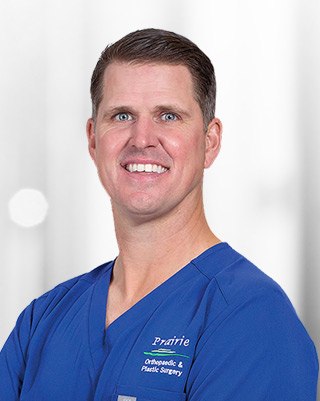
Matthew Byington, DO Board Certified Orthopaedic Surgeon
Dr. Matthew Byington is a board certified Orthopedic Surgeon, specializing in minimally invasive arthroscopic techniques and sports medicine. He specializes in Shoulder, Knee and Elbow conditions, although he treats all orthopedic conditions.
How is Tendon Repair Surgery Performed?
Tendon repair may be performed using open or minimally invasive (arthroscopic) techniques, depending on the injury.
During the procedure:
- The torn tendon is identified and prepared
- Damaged tissue may be cleaned or trimmed
- The tendon is reattached to bone using sutures, anchors, or fixation devices
- In some cases, grafts or augmentation techniques may be used
- The repair is reinforced to restore strength and stability
The goal is to restore normal tendon function and joint movement.
Recovery After Tendon Repair Surgery
Recovery varies based on the tendon involved and severity of the injury.
Postoperative care commonly includes:
- Immobilization with a brace or sling
- Protected movement
- Gradual range-of-motion exercises
- Physical therapy
- Progressive strengthening
- Functional rehabilitation
Return to full activity may take several months, depending on healing and rehabilitation progress.
Benefits of Tendon Repair Surgery
Potential benefits may include:
- Restoration of strength and function
- Improved joint mobility
- Reduction in pain
- Return to daily activities and sports
- Prevention of long-term disability
Risks & Complications
Possible risks may include:
- Infection
- Blood clots
- Stiffness
- Re-tear of the tendon
- Persistent weakness
- Nerve or blood vessel injury
- Scar tissue formation
Proper rehabilitation and adherence to recovery guidelines are essential for successful outcomes.
Why Choose Dr. Byington for Tendon Repair Surgery?
Matthew Byington, DO is a fellowship-trained orthopaedic surgeon specializing in sports medicine and advanced soft tissue repair. He provides expert care for:
- Shoulder tendon injuries
- Knee tendon injuries
- Achilles tendon injuries
- Sports-related tendon conditions
- Complex soft tissue injuries
His approach focuses on restoring strength, optimizing recovery, and helping patients safely return to active lifestyles.
Frequently Asked Questions About Tendon Repair Surgery
What is tendon repair surgery?
Tendon repair surgery involves reattaching or reconstructing a torn tendon to restore movement and strength.
Do all tendon injuries require surgery?
No. Partial tears may improve with non-surgical treatment, while complete tears often require surgical repair.
How long does recovery take?
Recovery varies by tendon and injury severity but may take several months for full return to activity.
Will I need physical therapy after surgery?
Yes. Rehabilitation is essential to regain strength, flexibility, and function.
Can athletes return to sports after tendon repair?
Many athletes successfully return to sports following proper healing and rehabilitation.
Restore Strength & Return to Movement
If tendon pain, weakness, or injury is limiting your activity, schedule an evaluation with Matthew Byington, DO to discuss personalized tendon repair treatment options in Lincoln and Omaha, Nebraska.