

Rotator Cuff Tear Treatment in Lincoln & Omaha, NE
Rotator cuff tears are a common cause of shoulder pain, weakness, loss of motion, and difficulty performing everyday activities. Simple movements such as reaching overhead, lifting objects, dressing, or sleeping on the affected side may become painful and frustrating.
Rotator cuff injuries may develop suddenly after trauma or gradually over time due to repetitive use, degeneration, or sports participation.
Matthew Byington, DO provides comprehensive diagnosis and treatment for rotator cuff tears in Lincoln and Omaha, offering personalized non-surgical and surgical treatment options designed to restore function and help patients return to work, sports, and active lifestyles.
Treatment depends on tear severity, symptoms, activity level, and functional goals.
What Is a Rotator Cuff Tear?
The rotator cuff is a group of four muscles and tendons that stabilize the shoulder and help control arm movement.
These muscles include:
- Supraspinatus
- Infraspinatus
- Teres Minor
- Subscapularis
A rotator cuff tear occurs when one or more tendons become partially or completely detached from the bone.
Tears may occur suddenly after injury or gradually due to wear over time.
Common types include:
Partial Thickness Tear
The tendon is damaged but not completely separated.
Full Thickness Tear
The tendon tears completely and may detach from its attachment site.
Degenerative Rotator Cuff Tear
Gradual wear and tendon breakdown occurring over time.
Acute Traumatic Tear
Sudden tears caused by falls, lifting injuries, or sports trauma.
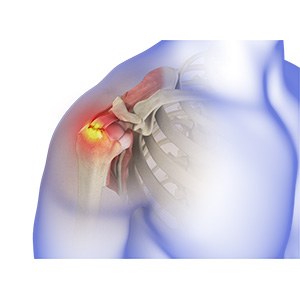
Symptoms of a Rotator Cuff Tear
Symptoms vary depending on tear size and severity.
Common symptoms include:
- Shoulder pain with lifting or reaching
- Weakness in the shoulder or arm
- Pain when sleeping on the affected side
- Difficulty reaching overhead
- Pain during sports activities
- Clicking or popping sensations
- Reduced range of motion
- Difficulty lifting objects
- Shoulder fatigue
- Night pain
What Does a Torn Rotator Cuff Feel Like?
Many patients describe rotator cuff tears as deep shoulder pain combined with weakness, painful overhead motion, difficulty lifting, and nighttime discomfort.
What Causes Rotator Cuff Tears?
Rotator cuff tears may occur through injury or degeneration.
Common causes include:
- Falls onto the shoulder
- Lifting heavy objects
- Repetitive overhead activities
- Sports injuries
- Age-related tendon degeneration
- Bone spurs
- Shoulder impingement
- Repetitive work activities
Athletes involved in baseball, tennis, volleyball, swimming, and weightlifting may have increased risk.
Risk Factors for Rotator Cuff Tears
Several factors may increase risk:
- Age over 40
- Repetitive overhead work
- Sports participation
- Prior shoulder injury
- Smoking
- Shoulder impingement
- Heavy labor occupations
How Are Rotator Cuff Tears Diagnosed?
Early diagnosis helps guide treatment and may improve outcomes.
Medical History and Physical Examination
Dr. Byington evaluates:
- Pain location
- Shoulder strength
- Range of motion
- Functional limitations
- Weakness patterns
- Overhead activity tolerance
Special shoulder tests help identify tendon involvement.
X-Rays
X-rays may evaluate:
- Bone spurs
- Arthritis
- Shoulder alignment
- Degenerative changes
MRI
MRI is often the preferred imaging study because it shows:
- Tear size
- Tendon retraction
- Muscle quality
- Partial vs full-thickness tears
- Associated injuries
Ultrasound
Diagnostic ultrasound may also help evaluate tendon integrity.
Non-Surgical Treatment for Rotator Cuff Tears
Not all rotator cuff tears require surgery.
Many patients improve with conservative treatment.
Activity Modification
Avoiding painful overhead activities may reduce symptoms.
Physical Therapy
Therapy commonly focuses on:
- Strength restoration
- Shoulder mechanics
- Motion improvement
- Scapular stabilization
- Functional rehabilitation
Anti-Inflammatory Medications
NSAIDs may help reduce pain and inflammation.
Corticosteroid Injections
Selected patients may benefit from injections for symptom relief.
Home Exercise Programs
Exercise programs may support ongoing strength and mobility.
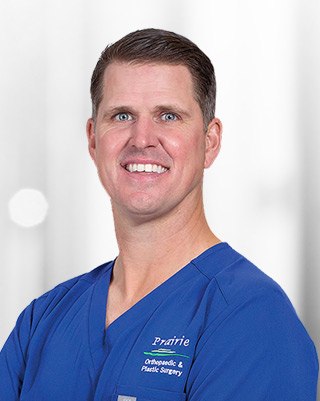
Matthew Byington, DO Board Certified Orthopaedic Surgeon
Dr. Matthew Byington is a board certified Orthopedic Surgeon, specializing in minimally invasive arthroscopic techniques and sports medicine. He specializes in Shoulder, Knee and Elbow conditions, although he treats all orthopedic conditions.
When Is Rotator Cuff Surgery Needed?
Surgery may be considered when:
- Symptoms persist despite treatment
- Weakness affects daily activities
- Large tears are present
- Acute traumatic tears occur
- Function continues to decline
- Active patients wish to return to sports
Treatment recommendations are individualized based on tear characteristics and patient goals.
Surgical Treatment for Rotator Cuff Tears
Arthroscopic Rotator Cuff Repair
Arthroscopic repair uses minimally invasive techniques to reattach torn tendons to bone.
Potential advantages include:
- Smaller incisions
- Reduced soft tissue disruption
- Faster recovery progression
- Improved visualization
Debridement Procedures
Partial tears may sometimes be treated by removing damaged tissue.
Shoulder Decompression
Bone spur removal and decompression may be performed when impingement contributes to symptoms.
Revision Rotator Cuff Repair
Revision procedures may be necessary in selected recurrent tears.
Recovery After Rotator Cuff Repair
Recovery depends on tear size and procedure performed.
Rehabilitation typically progresses through stages:
- Sling protection phase
- Motion restoration
- Strength development
- Functional rehabilitation
- Return-to-sport progression
Healing timelines vary, and recovery may continue for several months.
Why Choose Dr. Byington for Rotator Cuff Treatment?
Matthew Byington, DO is a fellowship-trained orthopedic surgeon specializing in sports medicine and arthroscopic shoulder procedures.
He treats:
- Rotator cuff tears
- Shoulder impingement
- Labral injuries
- Shoulder instability
- Arthritis
- Sports injuries
- Overhead athlete conditions
Treatment plans focus on restoring motion, strength, and shoulder function.
Rotator Cuff Tear Treatment Serving Lincoln & Omaha, Nebraska
Dr. Byington provides rotator cuff evaluation and treatment for patients throughout:
Frequently Asked Questions About Rotator Cuff Tears
Can a rotator cuff tear heal without surgery?
Some partial tears and degenerative tears improve with physical therapy and conservative care, although complete tears do not typically heal on their own.
How do I know if I tore my rotator cuff?
Common symptoms include shoulder weakness, pain with lifting, nighttime pain, and difficulty reaching overhead.
Is MRI necessary for a rotator cuff tear?
MRI is commonly used to determine tear size and guide treatment recommendations.
When should rotator cuff surgery be considered?
Surgery may be appropriate when pain persists, weakness develops, or significant tears affect function.
How long does recovery take after rotator cuff repair?
Recovery varies but often involves several months of rehabilitation.
What happens if a rotator cuff tear is left untreated?
Some tears may enlarge over time and contribute to weakness, reduced function, and muscle changes.
Find Relief From Shoulder Pain
If shoulder pain, weakness, or loss of motion is affecting work, sports, or daily activities, schedule an evaluation with Dr. Byington to discuss personalized treatment options for rotator cuff tears in Lincoln and Omaha, Nebraska.