

Sports Medicine, also known as sports and exercise medicine (SEM), is a branch of medicine that deals with the treatment and prevention of sports and exercise-related injuries and improving fitness and performance. The main objective of sports medicine is to help individuals engage in sports and exercise in a safe and effective manner to accomplish their training goals.
A sports medicine team may comprise medical and non-medical specialists, such as physicians, surgeons, athletic trainers, physical therapists, sports psychologists, nutritionists, coaches, and personal trainers. Most sports medicine physicians deal with non-operative musculoskeletal conditions. Others are orthopedic surgeons who have decided to focus their practice on the surgical treatment of sports injuries.
Sports medicine is not a medical specialty in itself. Most sports medicine doctors are certified in internal medicine, emergency medicine, family medicine, orthopedics, or another specialty and then acquire additional training with a 2-year fellowship in sports medicine to be certified as a sports medicine specialist.
-
Shoulder Sports Injuries
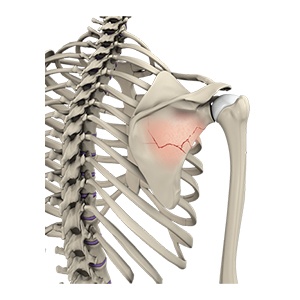
Shoulder sports injuries commonly affect athletes involved in throwing sports, overhead activities, contact sports, and repetitive motion activities. Injuries involving the rotator cuff, labrum, ligaments, and shoulder stabilizers may lead to pain, weakness, instability, and reduced athletic performance.
-
Knee Sports Injuries
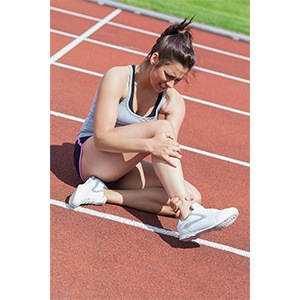
Knee sports injuries are among the most common orthopedic conditions affecting athletes and active individuals. Cutting movements, pivoting, jumping, contact sports, and repetitive activity may place significant stress on the ligaments, cartilage, meniscus, tendons, and joint surfaces of the knee.
-
Elbow Sports Injuries
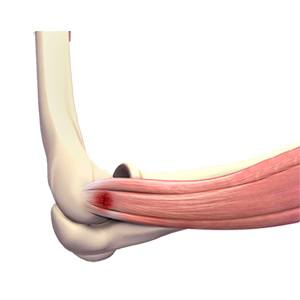
Elbow sports injuries commonly affect athletes involved in throwing sports, overhead activities, racquet sports, weight training, and contact athletics. Repetitive stress, overuse, acute trauma, and high-demand athletic movements may lead to injuries involving the tendons, ligaments, cartilage, and joint surfaces of the elbow.
-
Sports-Related Fractures

Sports-related fractures can occur during contact sports, falls, collisions, twisting injuries, repetitive stress, or high-impact athletic activities. Fractures may involve the shoulder, elbow, wrist, hand, hip, knee, leg, ankle, or foot and can significantly affect athletic performance, mobility, and return-to-play timelines.
-
Hip Flexor Strain
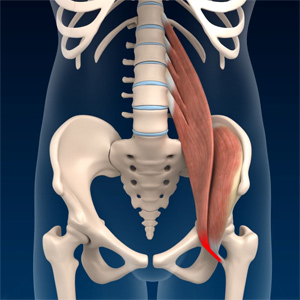
The hip flexors are several muscles that allow the flexion movement (bending) of your hip. A hip flexor strain is an overuse injury to these flexor muscles and can range from a minor stretch injury to a complete tear of the muscle fibers or tendons.
-
Groin Injuries in Athletes
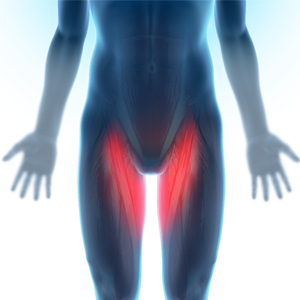
Groin injuries are injuries sustained by athletes during sports activity. Groin injuries comprise about 2 to 5 percent of all sports injuries. The most common kind of groin injury is a groin strain or a pulled groin muscle. Typical groin injuries vary based on athlete’s gender, age, and sports
-
Pubic Bone Injuries
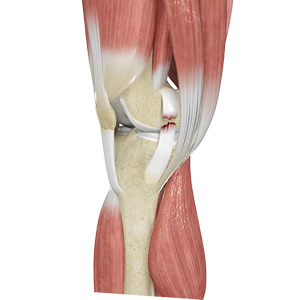
Pubic bone injuries can cause pain in the front of the pelvis and are often associated with sports, repetitive activity, falls, or direct impact. They can involve the pubic bone itself or the surrounding structures, including the pubic symphysis and nearby muscles and tendons. Accurate diagnosis helps determine the appropriate treatment and safely guide your return to activity.