
Shoulder Sports Injury Treatment in Lincoln & Omaha, NE
Shoulder sports injuries commonly affect athletes involved in throwing sports, overhead activities, contact sports, and repetitive motion activities. Injuries involving the rotator cuff, labrum, ligaments, and shoulder stabilizers may lead to pain, weakness, instability, and reduced athletic performance.
Matthew Byington, DO provides comprehensive evaluation and treatment for shoulder sports injuries in Lincoln and Omaha, helping athletes safely return to sports and active lifestyles through individualized treatment plans.
Common Shoulder Sports Injuries
Rotator Cuff Tears & Tendon Injuries
Rotator cuff injuries may develop from repetitive overhead activity, throwing sports, acute trauma, or overuse. Symptoms commonly include pain, weakness, and loss of performance.
Labral Tears (SLAP Tears)
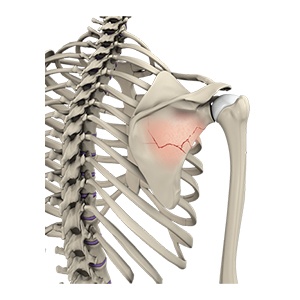
Labral injuries often occur in throwing athletes and may cause deep shoulder pain, clicking, instability, and decreased athletic function.
Shoulder Instability & Dislocations
Athletes participating in contact sports may experience recurrent instability or shoulder dislocations.
Shoulder Impingement Syndrome
Repetitive overhead motion may compress tendons and create inflammation and pain.
AC Joint Injuries
Direct impact or falls may injure the acromioclavicular joint, causing pain and limited motion.
Biceps Tendon Injuries
Inflammation or tearing of the biceps tendon may produce pain in the front of the shoulder.
Sports Commonly Associated With Shoulder Injuries
- Baseball and softball
- Tennis and pickleball
- Football
- Volleyball
- Basketball
- Swimming
- Golf
- Weightlifting and CrossFit
- Wrestling and contact sports
Symptoms of Shoulder Sports Injuries
Common symptoms include:
- Pain during throwing or overhead activity
- Shoulder weakness
- Instability or slipping sensation
- Clicking or popping
- Loss of athletic performance
- Reduced range of motion
- Night pain
- Pain with lifting and reaching
How Are Shoulder Sports Injuries Diagnosed?
Evaluation commonly includes:
- Medical history and sports participation review
- Physical examination
- Stability testing
- Strength assessment
- Sport-specific evaluation
Imaging Studies
X-Rays may evaluate fractures, alignment, and joint changes.
MRI commonly evaluates:
- Rotator cuff tears
- Labral injuries
- Cartilage damage
- Instability injuries
Diagnostic Ultrasound may help assess tendon injuries.

Matthew Byington, DO Board Certified Orthopaedic Surgeon
Dr. Matthew Byington is a board certified Orthopedic Surgeon, specializing in minimally invasive arthroscopic techniques and sports medicine. He specializes in Shoulder, Knee and Elbow conditions, although he treats all orthopedic conditions.
Non-Surgical Treatment Options
Many athletes improve with non-operative treatment:
- Activity modification
- Physical therapy
- Rotator cuff strengthening
- Scapular stabilization
- Anti-inflammatory medications
- Injection therapy
- Return-to-sport rehabilitation
Surgical Treatment Options
Arthroscopic Shoulder Surgery
Minimally invasive procedures may treat:
- Rotator cuff tears
- Labral injuries
- Shoulder instability
- Impingement
- Cartilage injuries
Shoulder Stabilization Procedures
Patients with recurrent dislocations may require stabilization surgery.
Rotator Cuff Repair
Repair procedures help restore tendon function and shoulder strength.
Why Choose Dr. Byington for Shoulder Sports Injuries?
Matthew Byington, DO is a fellowship-trained orthopedic surgeon specializing in sports medicine and arthroscopic shoulder procedures. He treats athletes with:
- Rotator cuff tears
- Labral injuries
- Shoulder instability
- Throwing injuries
- Overhead athlete conditions
- Sports-related shoulder pain
Treatment plans focus on reducing pain, restoring function, and returning patients to sports safely.
Frequently Asked Questions About Shoulder Sports Injuries
When should I see an orthopedic specialist for a shoulder sports injury?
Evaluation is recommended if shoulder pain, weakness, instability, or limited motion affects sports performance or daily activities.
Can shoulder sports injuries heal without surgery?
Yes. Many shoulder injuries improve with physical therapy, activity modification, medications, and rehabilitation programs.
What sports commonly cause shoulder injuries?
Shoulder injuries frequently occur in baseball, tennis, volleyball, football, swimming, golf, and other overhead sports.
Do all rotator cuff tears require surgery?
No. Treatment depends on the size of the tear, symptoms, activity goals, and shoulder function.
How are shoulder sports injuries diagnosed?
Diagnosis commonly includes a physical examination along with imaging studies such as X-rays and MRI when needed.
When can athletes return to sports after a shoulder injury?
Return-to-sport timing varies depending on the injury type, treatment, and rehabilitation progress.
Shoulder Sports Injury Treatment Serving Lincoln & Omaha, Nebraska
Dr. Byington provides care for patients throughout Lincoln, Omaha, Bellevue, Papillion, Gretna, Seward, Waverly, Lancaster County, and surrounding communities.