
Non-Surgical Orthopaedic Care in Lincoln & Omaha, NE
Nonoperative orthopaedic treatments focus on managing musculoskeletal conditions without surgery, using evidence-based therapies to reduce pain, restore function, and improve mobility. Many orthopaedic conditions can be effectively treated with conservative care, allowing patients to return to daily activities while avoiding or delaying surgery.
Treatment plans are personalized based on the patient’s condition, activity level, and long-term goals.
Matthew Byington, DO provides comprehensive non-surgical orthopaedic care in Lincoln and Omaha, Nebraska, offering advanced treatment options for a wide range of joint, ligament, tendon, and sports-related conditions.
What Conditions Can be Treated Non-Surgically?
Many orthopaedic conditions may be managed without surgery, including:
- Ligament sprains (ACL, MCL, LCL in select cases)
- Tendon injuries and tendinitis
- Muscle strains
- Meniscus injuries (selected cases)
- Early osteoarthritis
- Overuse injuries
- Joint inflammation and synovitis
- Mild to moderate instability
- Sports-related injuries
- Post-injury rehabilitation
Nonoperative care is often the first line of treatment for many musculoskeletal conditions.
Common Nonoperative Treatment Options
A variety of conservative therapies may be used to manage symptoms and promote healing, including:
- Physical therapy and rehabilitation
- Activity modification
- Bracing and support devices
- Anti-inflammatory medications
- Pain management strategies
- Injection therapies (corticosteroid or other indicated injections)
- Strengthening and conditioning programs
- Flexibility and mobility exercises
These treatments aim to reduce pain while improving strength and joint stability.
What are the Benefits of Nonoperative Care?
Non-surgical treatment offers several advantages, including:
- Avoidance of surgery and anesthesia
- Reduced recovery time
- Lower risk of complications
- Gradual and natural healing
- Maintenance of joint integrity
- Ability to continue modified daily activities
Many patients experience significant improvement with conservative management alone.
When is Nonoperative Treatment Recommended?
Non-surgical care may be recommended when:
- Symptoms are mild to moderate
- The injury is stable
- There is no significant structural damage
- The condition is in an early stage
- The patient prefers to avoid surgery
- Surgery is not immediately necessary
Treatment is often monitored over time to evaluate progress and determine if further intervention is needed.
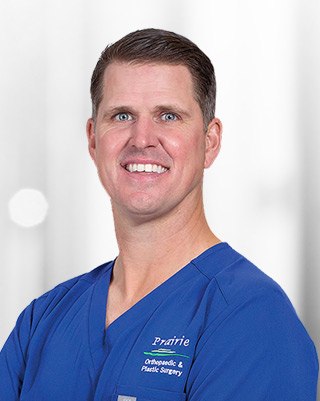
Matthew Byington, DO Board Certified Orthopaedic Surgeon
Dr. Matthew Byington is a board certified Orthopedic Surgeon, specializing in minimally invasive arthroscopic techniques and sports medicine. He specializes in Shoulder, Knee and Elbow conditions, although he treats all orthopedic conditions.
When is Surgery Considered?
Surgery may be recommended if:
- Symptoms persist despite conservative treatment
- Pain interferes with daily activities
- Instability or dysfunction worsens
- Structural damage requires repair
- Athletic or functional demands are not met
A stepwise approach ensures that surgery is considered only when appropriate.
Recovery & Rehabilitation
Recovery with nonoperative treatment varies depending on the condition and therapy used.
Care plans may include:
- Guided physical therapy
- Progressive strengthening
- Functional movement training
- Return-to-activity planning
- Ongoing monitoring and adjustments
Consistency with rehabilitation is key to achieving optimal outcomes.
Risks & Considerations
Nonoperative treatments are generally safe, but considerations may include:
- Incomplete symptom relief
- Need for ongoing therapy
- Temporary activity limitations
- Possibility of requiring surgery later
Regular follow-up helps ensure appropriate progress and outcomes.
Why Choose Dr. Byington for Nonoperative Orthopaedic Care?
Matthew Byington, DO is a fellowship-trained orthopaedic surgeon specializing in sports medicine and comprehensive musculoskeletal care. He emphasizes conservative treatment whenever appropriate, helping patients:
- Reduce pain and inflammation
- Restore strength and mobility
- Avoid unnecessary surgery
- Return to active lifestyles safely
Each treatment plan is tailored to the patient’s needs, focusing on long-term joint health and function.
Frequently Asked Questions About Nonoperative Orthopaedic Treatments
What is nonoperative orthopaedic treatment?
It refers to managing orthopaedic conditions without surgery using therapies such as physical therapy, medications, and lifestyle modifications.
Can injuries heal without surgery?
Yes. Many injuries, especially mild to moderate ones, can heal effectively with conservative treatment.
How long does non-surgical treatment take?
Recovery time varies depending on the condition, but improvement is often seen over weeks to months.
Will I still need physical therapy?
In most cases, yes. Physical therapy is a key component of nonoperative care.
Can I avoid surgery completely?
Many patients successfully avoid surgery, although some conditions may eventually require surgical intervention if symptoms persist.
Restore Function Without Surgery
If joint pain, injury, or reduced mobility is affecting your quality of life, schedule an evaluation with Matthew Byington, DO to explore personalized nonoperative orthopaedic treatment options in Lincoln and Omaha, Nebraska.