
Fracture Care in Lincoln & Omaha, NE
Fracture care involves the evaluation, diagnosis, and treatment of broken bones to restore proper alignment, stability, and function. Fractures can range from simple cracks in the bone to complex injuries involving multiple fragments and surrounding soft tissue damage.
Prompt and appropriate treatment is essential to ensure proper healing, reduce complications, and restore mobility. Treatment may be non-surgical or surgical depending on the type, location, and severity of the fracture.
Matthew Byington, DO provides comprehensive fracture care in Lincoln and Omaha, Nebraska, treating a wide range of simple and complex orthopaedic injuries.
What Causes Bone Fractures?
Fractures may occur due to:
- Falls
- Sports injuries
- Motor vehicle accidents
- Direct trauma or impact
- Overuse or stress injuries
- Osteoporosis-related bone weakening
Common types of fractures include:
- Simple (closed) fractures
- Open (compound) fractures
- Displaced fractures
- Non-displaced fractures
- Comminuted fractures (multiple fragments)
- Stress fractures
- Compression fractures
Symptoms of a Fracture
Symptoms may vary depending on the severity and location of the injury but commonly include:
- Sudden pain
- Swelling
- Bruising
- Deformity
- Inability to bear weight
- Limited movement
- Tenderness at the injury site
Severe fractures may involve visible bone or significant deformity and require urgent medical attention.
How are Fractures Diagnosed?
Evaluation typically includes:
- Medical history review
- Physical examination
- Assessment of alignment and stability
Imaging studies may include:
X-rays to evaluate:
- Bone alignment
- Fracture pattern
- Displacement
Advanced imaging (if needed):
- CT scan for complex fractures
- MRI for associated soft tissue injuries
Accurate diagnosis helps guide effective treatment planning.
Non-Surgical Fracture Treatment
Many fractures can be treated without surgery, particularly when bones remain properly aligned.
Non-surgical care may include:
- Immobilization with a cast or splint
- Bracing
- Activity restriction
- Pain management
- Gradual return to movement
- Physical therapy after initial healing
Regular follow-up imaging may be required to ensure proper healing.
When is Surgery Recommended?
Surgical treatment may be necessary for:
- Displaced fractures
- Unstable fractures
- Open fractures
- Fractures that fail to heal (nonunion)
- Improper healing (malunion)
- Joint involvement
- Multiple or complex fractures
Treatment decisions depend on fracture type, patient activity level, and overall health.
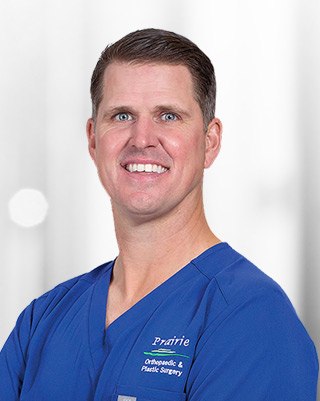
Matthew Byington, DO Board Certified Orthopaedic Surgeon
Dr. Matthew Byington is a board certified Orthopedic Surgeon, specializing in minimally invasive arthroscopic techniques and sports medicine. He specializes in Shoulder, Knee and Elbow conditions, although he treats all orthopedic conditions.
How is Fracture Surgery Performed?
Surgical fracture repair (open reduction and internal fixation – ORIF) involves realigning the bone and stabilizing it with hardware.
During surgery:
- The fractured bone is repositioned (reduced)
- Metal plates, screws, or rods are used to stabilize the bone
- Alignment and stability are confirmed
- The surgical site is closed and protected
In some cases, minimally invasive techniques or external fixation devices may be used.
Recovery after Fracture Treatment
Recovery time depends on the type and severity of the fracture.
Post-treatment care may include:
- Immobilization
- Gradual weight-bearing progression
- Physical therapy
- Strength and mobility exercises
- Functional rehabilitation
Healing may take several weeks to months, depending on the bone and injury complexity.
Benefits of Proper Fracture Care
Effective fracture management may help:
- Restore bone alignment
- Promote proper healing
- Reduce pain
- Prevent complications
- Restore strength and mobility
- Return to normal activities
Risks & Complications
Possible complications may include:
- Infection
- Delayed healing
- Nonunion or malunion
- Blood clots
- Stiffness
- Hardware irritation
- Nerve or blood vessel injury
Early treatment and appropriate follow-up care are important to minimize risks.
Why Choose Dr. Byington for Fracture Care?
Matthew Byington, DO is a fellowship-trained orthopaedic surgeon experienced in treating both routine and complex fractures. He provides patient-centered care for:
- Upper and lower extremity fractures
- Sports-related fractures
- Traumatic injuries
- Complex and multi-fragment fractures
His approach focuses on restoring alignment, optimizing healing, and helping patients safely return to daily activities.
Frequently Asked Questions About Fracture Care
What is a fracture?
A fracture is a break or crack in a bone caused by trauma, stress, or weakened bone structure.
Do all fractures require surgery?
No. Many fractures can heal with immobilization, while more severe or unstable fractures may require surgical treatment.
How long does it take for a fracture to heal?
Healing time varies but typically ranges from several weeks to a few months depending on the injury.
Will I need physical therapy after a fracture?
In many cases, yes. Rehabilitation helps restore strength, flexibility, and function after healing.
Can I return to normal activities after a fracture?
Most patients can return to normal activities after proper healing and rehabilitation, depending on the severity of the injury.
Restore Strength & Mobility After Injury
If you have experienced a fracture or bone injury, schedule an evaluation with Matthew Byington, DO to discuss personalized fracture treatment options in Lincoln and Omaha, Nebraska.