
Shoulder Stabilization Surgery in Lincoln & Omaha, NE
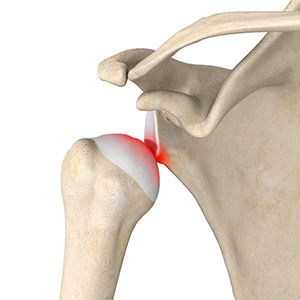
Shoulder stabilization is a surgical procedure used to treat chronic shoulder instability and prevent repeated dislocations of the shoulder joint. Shoulder instability occurs when the head of the humerus (ball) repeatedly slips out of the glenoid (socket), either partially (subluxation) or completely (dislocation). Over time, this can damage the labrum, ligaments, and surrounding soft tissues, leading to persistent pain, weakness, and loss of function. Shoulder stabilization surgery restores stability to the joint and helps prevent future dislocations, often using minimally invasive arthroscopic techniques.
Matthew Byington, DO provides evaluation and treatment for shoulder instability in Lincoln and Omaha, including arthroscopic shoulder stabilization procedures.
What Is Shoulder Instability?
Shoulder instability occurs when the structures that hold the shoulder joint in place become stretched, torn, or weakened. This allows the ball of the shoulder joint to move excessively or dislocate from its socket.
It is commonly associated with:
- Labral tears (including Bankart lesions)
- Ligament injuries
- Rotator cuff damage
- Recurrent shoulder dislocations
Causes of Shoulder Instability
Shoulder instability may develop due to:
- Traumatic shoulder dislocation
- Sports injuries (throwing, contact sports)
- Repetitive overhead activity
- Falls onto the shoulder or outstretched arm
- Ligament laxity or loose connective tissue
- Previous shoulder injury or surgery
Symptoms of Shoulder Instability
Patients may experience:
- Recurrent shoulder dislocations or subluxations
- Feeling that the shoulder is “slipping out”
- Pain with overhead or rotational movements
- Weakness in the shoulder
- Clicking or catching sensations
- Loss of confidence during activity
- Limited range of motion
How Shoulder Instability Is Diagnosed
Diagnosis typically includes:
- Medical history and dislocation events
- Physical examination and stability testing
- Apprehension and relocation tests
- X-rays to assess bone injury or alignment
- MRI to evaluate labral tears, ligament damage, and soft tissue injury
- CT scan in complex or recurrent cases
When Is Shoulder Stabilization Surgery Recommended?
Shoulder stabilization may be recommended for:
- Recurrent shoulder dislocations
- Chronic shoulder instability affecting daily life or sports
- Labral tears (Bankart lesions)
- Failed non-surgical treatment
- High-risk athletes or contact sports participation
- Structural damage seen on imaging

Matthew Byington, DO Board Certified Orthopaedic Surgeon
Dr. Matthew Byington is a board certified Orthopedic Surgeon, specializing in minimally invasive arthroscopic techniques and sports medicine. He specializes in Shoulder, Knee and Elbow conditions, although he treats all orthopedic conditions.
How Shoulder Stabilization Surgery Is Performed
Shoulder stabilization is most commonly performed arthroscopically using small incisions and a camera-assisted approach.
Surgical steps may include:
- Small incisions (portals) around the shoulder
- Insertion of an arthroscope for joint visualization
- Inspection of cartilage, ligaments, and labrum
- Repair of torn labrum or ligaments using sutures
- Placement of suture anchors into the bone
- Tightening of stretched soft tissues if needed
- Removal or treatment of damaged tissue or bone defects
- Closure of incisions with sutures or steri-strips
The goal is to restore normal shoulder anatomy and prevent further dislocations.
Recovery After Shoulder Stabilization
Recovery involves a structured rehabilitation program:
- Shoulder sling for 4–6 weeks to protect the repair
- Pain management and swelling control
- Gradual return to passive and active motion
- Physical therapy for strength and stability
- Progressive strengthening of shoulder muscles
- Neuromuscular and coordination training
- Return to sports typically between 4–9 months or longer depending on injury severity
Full recovery depends on the extent of instability and tissue repair.
Benefits of Arthroscopic Shoulder Stabilization
- Reduced risk of recurrent dislocations
- Improved shoulder stability
- Smaller incisions and less scarring
- Less postoperative pain
- Faster recovery compared to open surgery
- Ability to treat associated injuries during surgery
- Improved shoulder function and confidence
Risks & Complications
Possible risks include:
- Infection
- Shoulder stiffness
- Recurrent instability or dislocation
- Nerve or blood vessel injury
- Postoperative weakness
- Arthritis over time
- Loss of range of motion
- Failure of repair or re-tear
Why Choose Matthew Byington, DO
Matthew Byington, DO specializes in sports medicine and arthroscopic shoulder surgery, including advanced stabilization procedures for recurrent dislocations and complex instability cases. His approach focuses on restoring joint stability, preventing recurrence, and helping patients safely return to sports and daily activities.
Treatment plans are customized based on injury severity, activity level, and long-term goals.
Frequently Asked Questions
What causes shoulder instability?
It is usually caused by trauma, repetitive injury, or ligament damage.
Will surgery prevent future dislocations?
In most cases, stabilization surgery significantly reduces recurrence risk.
How long is recovery?
Recovery typically takes several months depending on severity.
Will I need physical therapy?
Yes, rehabilitation is essential for restoring strength and motion.
Can athletes return to sports?
Yes, many return to sports after full rehabilitation.
Restore Shoulder Stability & Prevent Dislocations
If repeated shoulder dislocations or instability are affecting your activity level, shoulder stabilization surgery may help restore function and prevent further injury.
Schedule a consultation with Matthew Byington, DO to explore your treatment options.