
Shoulder Arthroscopy Surgery in Lincoln & Omaha, NE
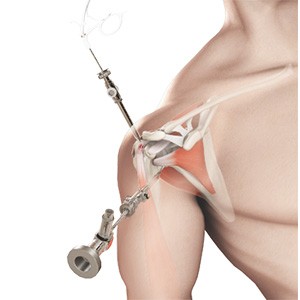
Shoulder arthroscopy is a minimally invasive surgical procedure used to diagnose and treat a wide range of shoulder conditions. It is performed using a small, pencil-sized camera called an arthroscope, which allows the surgeon to view the inside of the shoulder joint on a monitor in real time. This technique is used to evaluate and repair damage to the bones, cartilage, tendons, ligaments, and muscles of the shoulder. Shoulder arthroscopy is both a diagnostic and therapeutic procedure that helps treat pain, instability, stiffness, and other shoulder disorders with minimal disruption to surrounding tissues.
Matthew Byington, DO provides evaluation and treatment for shoulder conditions in Lincoln and Omaha, including advanced arthroscopic shoulder procedures.
What Is the Shoulder Joint?
The shoulder is a ball-and-socket joint formed by the humeral head (upper arm bone) and the glenoid (socket of the shoulder blade). Cartilage, tendons, and ligaments work together to provide smooth motion and stability.
When these structures are injured or degenerate, patients may experience pain, weakness, and reduced mobility.
Conditions Treated with Shoulder Arthroscopy
Shoulder arthroscopy may be recommended for:
- Rotator cuff tears
- Shoulder impingement syndrome
- Shoulder instability or dislocations
- Frozen shoulder (adhesive capsulitis)
- Biceps tendon tears or rupture
- Labral tears
- Cartilage damage
- Bone spurs
- Arthritis of the shoulder or collarbone
Symptoms That May Require Arthroscopy
Patients may experience:
- Shoulder pain with movement or at rest
- Weakness or difficulty lifting the arm
- Clicking or catching sensations
- Stiffness and reduced range of motion
- Recurrent shoulder instability
- Pain during overhead activities
- Limited ability to perform daily tasks
How Shoulder Arthroscopy Is Performed
Shoulder arthroscopy is typically performed under general or regional anesthesia.
Surgical steps may include:
- Small incisions (portals) made around the shoulder
- Injection of sterile fluid to expand the joint space
- Insertion of the arthroscope for visualization
- Inspection of cartilage, tendons, ligaments, and bone structures
- Use of specialized instruments to repair or remove damaged tissue
- Treatment of rotator cuff tears, labral injuries, or bone spurs
- Removal of inflamed or damaged tissue if needed
- Closure of incisions with sutures or sterile strips
This minimally invasive approach allows precise treatment with reduced tissue disruption.
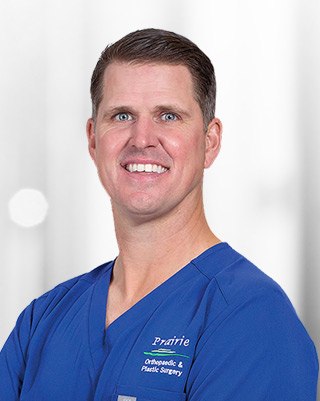
Matthew Byington, DO Board Certified Orthopaedic Surgeon
Dr. Matthew Byington is a board certified Orthopedic Surgeon, specializing in minimally invasive arthroscopic techniques and sports medicine. He specializes in Shoulder, Knee and Elbow conditions, although he treats all orthopedic conditions.
Advantages of Shoulder Arthroscopy
- Smaller incisions
- Less postoperative pain
- Reduced risk of complications
- Faster recovery time
- Shorter hospital stay (often outpatient)
- Minimal scarring
- Accurate diagnosis and treatment in one procedure
Recovery After Shoulder Arthroscopy
Recovery depends on the type of procedure performed:
- Small incisions typically heal within days
- Sling use may be required for a short period
- Pain medications are used for comfort
- Gradual return to movement as directed
- Physical therapy to restore strength and mobility
- Full recovery varies from weeks to months depending on repair
Active participation in rehabilitation is essential for optimal outcomes.
Risks & Complications
Possible risks include:
- Infection
- Bleeding
- Nerve or blood vessel injury
- Shoulder stiffness
- Persistent pain or swelling
- Delayed healing
- Recurrent symptoms in some cases
Why Choose Matthew Byington, DO
Matthew Byington, DO specializes in minimally invasive arthroscopic shoulder surgery, offering advanced diagnostic and treatment options for a wide range of shoulder conditions. His approach focuses on accurate diagnosis, effective repair, and restoring full shoulder function with minimal downtime.
Each treatment plan is tailored to the patient’s condition, activity level, and recovery goals.
Frequently Asked Questions
Is shoulder arthroscopy major surgery?
It is minimally invasive and typically less extensive than open surgery.
How long is recovery?
Recovery varies depending on the procedure but is generally faster than open surgery.
Will I need a sling?
Yes, temporarily depending on the condition treated.
Is physical therapy required?
Yes, it is essential for restoring motion and strength.
Can all shoulder problems be treated arthroscopically?
Many can be, but some severe cases may require open surgery.
Restore Shoulder Function with Minimally Invasive Treatment
If shoulder pain, instability, or stiffness is limiting your daily activities, shoulder arthroscopy may help diagnose and treat the underlying problem effectively.
Schedule a consultation with Matthew Byington, DO to explore your treatment options.