
Shoulder Arthritis Treatment in Lincoln & Omaha, NE
Shoulder arthritis can cause persistent shoulder pain, stiffness, grinding sensations, and loss of motion that affects work, exercise, sleep, and everyday activities. As cartilage within the shoulder joint gradually wears away, even simple movements such as reaching overhead, lifting objects, or getting dressed may become increasingly difficult.
Shoulder arthritis often develops gradually and may worsen over time if left untreated.
Matthew Byington, DO provides comprehensive diagnosis and treatment for shoulder arthritis in Lincoln and Omaha, offering individualized non-surgical and surgical treatment plans designed to reduce pain, restore mobility, and improve quality of life.
Treatment recommendations depend on arthritis severity, symptoms, activity goals, and overall shoulder function.
What Is Shoulder Arthritis?
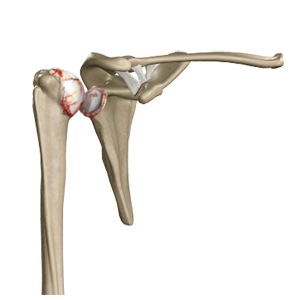
Shoulder arthritis occurs when the protective cartilage covering the shoulder joint gradually wears down. Cartilage normally allows smooth motion between bones, but as it deteriorates, the joint surfaces may rub together, leading to pain and stiffness.
The shoulder contains two primary joints that may develop arthritis:
- Glenohumeral joint – the ball-and-socket joint between the arm bone and shoulder socket
- Acromioclavicular (AC) joint – the joint between the collarbone and shoulder blade
Several types of arthritis may affect the shoulder.
Osteoarthritis
Osteoarthritis is the most common form of shoulder arthritis and develops through gradual cartilage wear over time.
Post-Traumatic Arthritis
Arthritis that develops after fractures, instability, dislocations, or previous injuries.
Rheumatoid Arthritis
An autoimmune condition that causes inflammation and joint damage.
Rotator Cuff Arthropathy
Advanced arthritis associated with chronic rotator cuff tears and shoulder dysfunction.
Symptoms of Shoulder Arthritis
Symptoms often develop gradually and worsen over time.
Common symptoms include:
- Shoulder pain during movement
- Pain with overhead activities
- Stiffness and loss of motion
- Grinding or clicking sensations
- Shoulder weakness
- Difficulty reaching overhead
- Nighttime shoulder pain
- Pain with lifting objects
- Reduced athletic performance
- Difficulty with dressing or grooming activities
What Does Shoulder Arthritis Feel Like?
Many patients describe shoulder arthritis as deep aching pain combined with stiffness, grinding sensations, and progressive loss of shoulder movement.
What Causes Shoulder Arthritis?
Several factors may contribute to arthritis development.
Common causes and risk factors include:
- Aging and cartilage wear
- Previous shoulder injuries
- Rotator cuff tears
- Shoulder instability or dislocations
- Fractures
- Repetitive overhead activity
- Autoimmune disease
- Family history of arthritis
Patients with prior shoulder trauma may have increased risk for developing arthritis later in life.
Stages of Shoulder Arthritis
Mild Arthritis
Early cartilage wear with occasional pain and minimal motion loss.
Moderate Arthritis
Progressive cartilage loss with increasing pain and stiffness.
Advanced Arthritis
Significant cartilage loss causing persistent pain, grinding, and reduced shoulder function.
How Is Shoulder Arthritis Diagnosed?
Proper diagnosis helps determine severity and treatment options.
Medical History and Physical Examination
Dr. Byington evaluates:
- Pain location
- Motion limitations
- Strength
- Grinding sensations
- Functional restrictions
- Daily activity limitations
Physical examination helps assess stiffness and shoulder mechanics.
X-Rays
X-rays commonly evaluate:
- Joint space narrowing
- Bone spurs
- Arthritis progression
- Alignment changes
- Degenerative changes
MRI
MRI may be recommended to assess:
- Rotator cuff tears
- Cartilage damage
- Tendon injuries
- Associated pathology
MRI is particularly helpful when rotator cuff arthropathy is suspected.
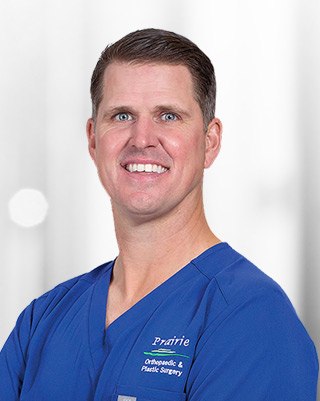
Matthew Byington, DO Board Certified Orthopaedic Surgeon
Dr. Matthew Byington is a board certified Orthopedic Surgeon, specializing in minimally invasive arthroscopic techniques and sports medicine. He specializes in Shoulder, Knee and Elbow conditions, although he treats all orthopedic conditions.
Non-Surgical Treatment for Shoulder Arthritis
Many patients improve with conservative treatment.
Activity Modification
Avoiding aggravating activities may reduce pain.
Physical Therapy
Therapy commonly focuses on:
- Motion improvement
- Shoulder mechanics
- Strength maintenance
- Flexibility
- Functional rehabilitation
Anti-Inflammatory Medications
NSAIDs may help reduce pain and inflammation.
Corticosteroid Injections
Injection therapy may provide temporary symptom relief and improve function.
Home Exercise Programs
Exercise routines may help maintain shoulder mobility.
Ice and Heat Therapy
Conservative modalities may help manage symptoms.
When Is Shoulder Replacement Surgery Considered?
Surgery may be considered when:
- Pain persists despite treatment
- Motion loss progresses
- Daily activities become difficult
- Night pain affects sleep
- Imaging shows advanced arthritis
- Function continues to decline
Treatment recommendations depend on arthritis severity and rotator cuff function.
Surgical Treatment Options for Shoulder Arthritis
Arthroscopic Shoulder Debridement
Selected patients with early arthritis may benefit from minimally invasive procedures to improve symptoms.
Total Shoulder Replacement
Total shoulder arthroplasty replaces damaged joint surfaces to restore motion and reduce pain.
Reverse Shoulder Replacement
Reverse shoulder replacement may be recommended for patients with rotator cuff arthropathy or complex shoulder conditions.
Shoulder Reconstruction Procedures
Joint-preserving options may be appropriate in selected patients.
Recovery After Shoulder Arthritis Treatment
Recovery depends on treatment type and arthritis severity.
Rehabilitation commonly focuses on:
- Pain control
- Motion restoration
- Strength development
- Functional progression
- Return to activities
Patients undergoing shoulder replacement typically participate in structured rehabilitation programs.
Why Choose Dr. Byington for Shoulder Arthritis Treatment?
Matthew Byington, DO is a fellowship-trained orthopedic surgeon specializing in sports medicine and shoulder conditions.
He treats:
- Shoulder arthritis
- Rotator cuff tears
- Rotator cuff arthropathy
- Labral injuries
- Shoulder instability
- Sports shoulder injuries
- Shoulder replacement candidates
Treatment plans are individualized to reduce pain and improve shoulder function.
Shoulder Arthritis Treatment Serving Lincoln & Omaha, Nebraska
Dr. Byington provides shoulder arthritis evaluation and treatment for patients throughout:
Frequently Asked Questions About Shoulder Arthritis
Can shoulder arthritis be treated without surgery?
Yes. Many patients improve with physical therapy, medications, injections, and activity modification.
What are the symptoms of shoulder arthritis?
Common symptoms include pain, stiffness, grinding, loss of motion, and difficulty lifting the arm.
Does shoulder arthritis always require replacement surgery?
No. Many patients manage symptoms successfully with conservative treatment.
What is reverse shoulder replacement?
Reverse shoulder replacement is a procedure commonly used when arthritis occurs with significant rotator cuff damage.
Can arthritis cause shoulder weakness?
Yes. Pain, stiffness, and associated rotator cuff problems may contribute to weakness.
What imaging is used for shoulder arthritis?
X-rays are commonly used, while MRI may evaluate rotator cuff and soft tissue involvement.
Find Relief From Shoulder Arthritis Pain
If shoulder pain, stiffness, or loss of motion is affecting work, sleep, exercise, or daily activities, schedule an evaluation with Dr. Byington to discuss personalized treatment options for shoulder arthritis in Lincoln and Omaha, Nebraska.