
Shoulder Joint Replacement Surgery in Lincoln & Omaha, NE
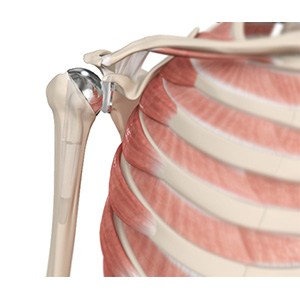
Shoulder joint replacement is a surgical procedure used to relieve pain and restore function in patients with severe shoulder arthritis or joint damage. The shoulder is a ball-and-socket joint formed by the humeral head (upper arm bone) and the glenoid (socket of the shoulder blade). When the protective cartilage wears away due to conditions like osteoarthritis or rheumatoid arthritis, the bones begin to rub together, causing pain, stiffness, and loss of motion. Shoulder replacement surgery removes the damaged joint surfaces and replaces them with artificial components to restore smooth movement and reduce pain.
Matthew Byington, DO provides evaluation and treatment for advanced shoulder arthritis in Lincoln and Omaha, including shoulder joint replacement procedures.
What Is the Shoulder Joint?
The shoulder is a highly mobile ball-and-socket joint that allows a wide range of motion. It is stabilized by cartilage, ligaments, tendons, and synovial fluid, which together enable smooth, pain-free movement.
When these structures deteriorate, joint function becomes progressively limited.
Causes of Shoulder Joint Damage
Shoulder joint replacement is most commonly needed due to:
- Osteoarthritis
- Rheumatoid arthritis
- Post-traumatic arthritis
- Severe cartilage wear
- Chronic shoulder inflammation
- Long-standing shoulder injuries
Symptoms of Severe Shoulder Arthritis
Patients may experience:
- Severe shoulder pain affecting daily activities
- Pain at rest or during sleep
- Stiffness and reduced range of motion
- Weakness in the shoulder and arm
- Difficulty lifting or rotating the arm
- Progressive loss of function
When Is Shoulder Replacement Recommended?
Shoulder joint replacement may be recommended when:
- Pain is severe and persistent
- Non-surgical treatments fail (medications, injections, therapy)
- Daily activities become difficult or impossible
- Significant loss of motion or strength occurs
- Imaging shows advanced joint damage
How Shoulder Joint Replacement Is Performed
Shoulder replacement surgery is performed under regional or general anesthesia.
Surgical steps may include:
- Incision over the shoulder to access the joint
- Separation of muscles to expose the joint surfaces
- Removal of the damaged humeral head (ball)
- Preparation of the humeral canal for implant placement
- Insertion of a metal stem with a prosthetic ball
- Preparation and replacement of the glenoid (socket) with a plastic component
- Balancing of the joint for smooth movement
- Closure of the joint capsule and incision with sutures
The goal is to restore pain-free joint movement and improve function.
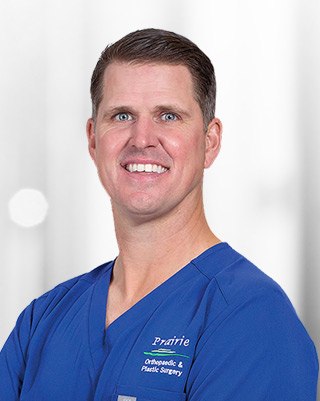
Matthew Byington, DO Board Certified Orthopaedic Surgeon
Dr. Matthew Byington is a board certified Orthopedic Surgeon, specializing in minimally invasive arthroscopic techniques and sports medicine. He specializes in Shoulder, Knee and Elbow conditions, although he treats all orthopedic conditions.
Recovery After Shoulder Replacement
Recovery involves a structured rehabilitation process:
- Pain management with medications
- Arm immobilization in a sling initially
- Early guided physical therapy
- Gradual return to daily activities within 2–6 weeks
- Continued strengthening and mobility exercises
- Full recovery over several months depending on condition
Rehabilitation is essential for restoring motion and strength.
Benefits of Shoulder Replacement
- Significant reduction in shoulder pain
- Improved range of motion
- Better ability to perform daily activities
- Enhanced quality of life
- Long-term joint function improvement
- Restored shoulder stability
Risks & Complications
Possible risks include:
- Infection
- Dislocation of the implant
- Nerve or blood vessel injury
- Blood clots (pulmonary embolism)
- Implant wear or loosening
- Persistent pain or stiffness
- Anesthesia-related complications
- Need for revision surgery in rare cases
Why Choose Matthew Byington, DO
Matthew Byington, DO specializes in advanced shoulder reconstruction and joint replacement surgery for patients with severe arthritis and degenerative shoulder conditions. His approach focuses on restoring function, reducing pain, and helping patients regain independence through evidence-based surgical care.
Each treatment plan is individualized based on disease severity, imaging findings, and patient goals.
Frequently Asked Questions
Who needs shoulder replacement surgery?
Patients with severe arthritis who do not improve with non-surgical treatments.
How long does recovery take?
Recovery typically takes several months with physical therapy.
Will I regain full shoulder movement?
Most patients regain significant motion and pain relief.
Is shoulder replacement permanent?
Implants are long-lasting but may eventually wear out.
Is physical therapy required?
Yes, it is essential for recovery and function.
Restore Shoulder Movement & Relieve Pain
If severe shoulder pain or arthritis is limiting your daily activities, shoulder joint replacement may help restore function and improve quality of life.
Schedule a consultation with Matthew Byington, DO to discuss your treatment options.