

Knee Sports Injury Treatment in Lincoln & Omaha, NE
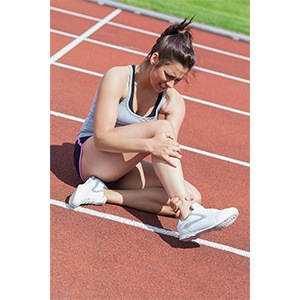
Knee sports injuries are among the most common orthopedic conditions affecting athletes and active individuals. Cutting movements, pivoting, jumping, contact sports, and repetitive activity may place significant stress on the ligaments, cartilage, meniscus, tendons, and joint surfaces of the knee.
Matthew Byington, DO provides comprehensive evaluation and treatment for knee sports injuries in Lincoln and Omaha, helping athletes return to competition, exercise, and active lifestyles through personalized treatment plans.
Common Knee Sports Injuries
ACL Tears (Anterior Cruciate Ligament Injuries)
ACL injuries commonly occur during pivoting, cutting, landing, or sudden direction changes. Athletes may experience instability, swelling, popping sensations, and difficulty returning to sports.
Meniscus Tears
Meniscus injuries may occur from twisting movements, contact injuries, or degeneration and can lead to pain, swelling, locking, and reduced motion.
MCL and LCL Injuries
Collateral ligament injuries frequently occur following contact or direct impact to the knee, causing pain and instability.
Patellar Instability & Dislocations
Athletes may experience kneecap instability or dislocation resulting in pain, swelling, and recurrent instability episodes.
Cartilage Injuries (Osteochondral Defects)
Sports trauma may damage cartilage surfaces within the knee leading to pain, swelling, and mechanical symptoms.
Patellar Tendon & Quadriceps Tendon Injuries
Jumping sports and repetitive activity may lead to tendon inflammation, tendinitis, or tendon tears.
PCL Injuries
Posterior cruciate ligament injuries may occur after direct impact or trauma to the knee.
Sports Commonly Associated With Knee Injuries
Knee sports injuries frequently occur in:
- Football
- Soccer
- Basketball
- Volleyball
- Baseball and softball
- Wrestling
- Tennis and pickleball
- Running and track sports
- Skiing and snowboarding
- CrossFit and recreational athletics
Symptoms of Knee Sports Injuries
Common symptoms include:
- Knee pain during activity
- Swelling
- Instability or giving way
- Popping sensation at injury
- Locking or catching
- Limited range of motion
- Difficulty running, jumping, or pivoting
- Weakness
- Pain during sports participation
How Are Knee Sports Injuries Diagnosed?
Evaluation commonly includes:
- Sports history and injury review
- Physical examination
- Ligament stability testing
- Motion and strength assessment
- Functional evaluation
Imaging Studies
X-Rays may evaluate:
- Fractures
- Alignment
- Joint surfaces
- Bone injury
MRI commonly evaluates:
- ACL tears
- Meniscus injuries
- Cartilage damage
- Ligament injuries
- Tendon pathology
Diagnostic Ultrasound may assist with selected tendon injuries.

Matthew Byington, DO Board Certified Orthopaedic Surgeon
Dr. Matthew Byington is a board certified Orthopedic Surgeon, specializing in minimally invasive arthroscopic techniques and sports medicine. He specializes in Shoulder, Knee and Elbow conditions, although he treats all orthopedic conditions.
Non-Surgical Treatment Options
Many athletes improve without surgery through:
- Activity modification
- Physical therapy
- Sports rehabilitation programs
- Strength and conditioning protocols
- Anti-inflammatory medications
- Bracing when appropriate
- Return-to-sport rehabilitation
Surgical Treatment Options
Arthroscopic Knee Surgery
Minimally invasive procedures may treat:
- Meniscus tears
- Cartilage injuries
- Loose bodies
- Ligament injuries
ACL Reconstruction
ACL reconstruction restores knee stability and helps athletes return to sports.
Meniscus Repair
Meniscus preservation procedures help restore function and protect knee cartilage.
Cartilage Restoration Procedures
Selected athletes with cartilage damage may benefit from cartilage restoration treatments.
Patellar Stabilization Procedures
Patients with recurrent kneecap instability may require stabilization surgery.
Why Choose Dr. Byington for Knee Sports Injuries?
Matthew Byington, DO is a fellowship-trained orthopedic surgeon specializing in sports medicine and arthroscopic knee procedures. He treats athletes with:
- ACL injuries
- Meniscus tears
- Cartilage injuries
- Patellar instability
- Ligament injuries
- Sports-related knee pain
Treatment plans focus on restoring stability, reducing pain, improving performance, and safely returning patients to sports.
Frequently Asked Questions About Knee Sports Injuries
When should I see an orthopedic specialist for a knee sports injury?
You should seek evaluation if knee pain, swelling, instability, locking, or difficulty participating in sports persists after injury.
Can knee sports injuries heal without surgery?
Many knee injuries improve with physical therapy, bracing, rehabilitation, activity modification, and non-surgical treatment.
What sports commonly cause knee injuries?
Knee injuries frequently occur in football, soccer, basketball, volleyball, wrestling, skiing, and other pivoting or contact sports.
Do all ACL tears require surgery?
No. Treatment depends on the severity of injury, instability, activity goals, and the patient’s lifestyle.
How are knee sports injuries diagnosed?
Diagnosis commonly includes a physical examination along with imaging studies such as X-rays and MRI.
When can athletes return to sports after a knee injury?
Return-to-sport timelines vary depending on the injury type, treatment plan, rehabilitation progress, and sport demands.
Knee Sports Injury Treatment Serving Lincoln & Omaha, Nebraska
Dr. Byington provides knee sports injury care for patients throughout Lincoln, Omaha, Bellevue, Papillion, Gretna, Seward, Waverly, Lancaster County, and surrounding communities.