
Cartilage Restoration Surgery in Lincoln & Omaha, NE
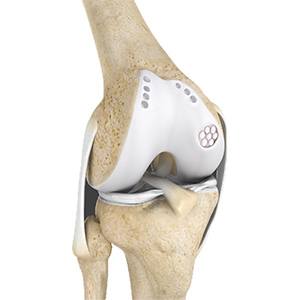
Cartilage restoration procedures are designed to treat damaged joint cartilage and help preserve joint function, reduce pain, and restore activity levels. Articular cartilage is the smooth tissue covering the ends of bones within a joint that allows bones to glide smoothly while absorbing impact during movement.
When cartilage becomes damaged due to injury, sports trauma, or degeneration, patients may experience pain, swelling, stiffness, catching sensations, and reduced mobility. Because cartilage has limited blood supply, its ability to heal naturally is often restricted.
Matthew Byington, DO provides evaluation and treatment for cartilage injuries in Lincoln and Omaha, including advanced cartilage restoration and knee preservation procedures.
What Causes Cartilage Damage?
Cartilage injuries may develop from:
- Sports injuries
- Falls and trauma
- Repetitive stress
- Joint instability
- Wear and tear changes
- Degenerative conditions
Damage may occur in the knee, shoulder, ankle, and other joints.
Common symptoms may include:
- Joint pain
- Swelling
- Catching or locking sensations
- Reduced range of motion
- Stiffness
- Activity limitations
Untreated cartilage damage may progress and contribute to degenerative joint changes.
Who May Benefit From Cartilage Restoration?
Cartilage restoration procedures may be considered for:
- Active patients
- Younger individuals with cartilage injuries
- Patients with localized cartilage defects
- Athletes seeking joint preservation options
- Patients with activity-related pain
Smaller cartilage defects may be managed differently than larger defects requiring transplantation procedures.
How Are Cartilage Injuries Diagnosed?
Evaluation commonly includes:
- Medical history review
- Physical examination
- Motion assessment
- Stability testing
- Activity evaluation
Imaging Studies
X-Rays may evaluate:
- Alignment
- Bone changes
- Joint preservation
Because cartilage is not visible on X-rays, additional imaging is often needed.
MRI commonly evaluates:
- Cartilage injuries
- Lesion size
- Bone involvement
- Associated ligament injuries
In some cases, arthroscopy may assist in evaluating cartilage surfaces directly.
Cartilage Restoration Procedures
Most cartilage restoration procedures may be performed arthroscopically using minimally invasive techniques.
Microfracture
Microfracture stimulates cartilage healing by creating small openings in the underlying bone to encourage formation of repair tissue.
This procedure may be considered for:
- Younger patients
- Small isolated lesions
- Healthy surrounding bone
Drilling
Drilling creates channels within the underlying bone to stimulate healing and cartilage repair responses.
Abrasion Arthroplasty
Abrasion techniques stimulate cartilage repair by preparing the damaged surface and encouraging healing tissue formation.
Autologous Chondrocyte Implantation (ACI)
ACI is a cartilage regeneration procedure using the patient’s own cartilage cells.
The process generally includes:
- Harvesting healthy cartilage cells
- Laboratory cell expansion
- Implantation into the cartilage defect
ACI may be considered for larger cartilage lesions.
Osteochondral Autograft Transplantation (OATS)
Healthy cartilage and bone tissue are transferred from a non-weight-bearing area of the joint to the damaged region.
This technique is commonly used for smaller cartilage defects.
Osteochondral Allograft Transplantation
Large cartilage defects may be treated using donor cartilage and bone tissue to restore damaged joint surfaces.
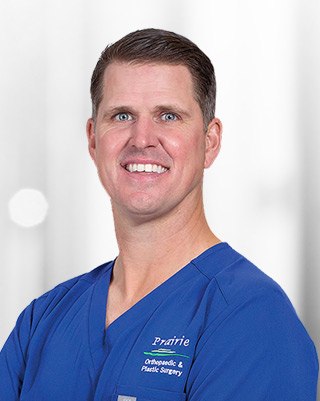
Matthew Byington, DO Board Certified Orthopaedic Surgeon
Dr. Matthew Byington is a board certified Orthopedic Surgeon, specializing in minimally invasive arthroscopic techniques and sports medicine. He specializes in Shoulder, Knee and Elbow conditions, although he treats all orthopedic conditions.
Recovery After Cartilage Restoration Surgery
Recovery varies depending on the procedure and joint involved.
Postoperative rehabilitation commonly includes:
- Temporary activity restrictions
- Ice and swelling management
- Physical therapy
- Motion restoration exercises
- Progressive strengthening
- Gradual return to activity
Physical therapy often begins within the first few weeks after surgery.
Benefits of Cartilage Restoration
Potential benefits may include:
- Pain reduction
- Improved joint function
- Restoration of cartilage surfaces
- Joint preservation
- Return to activity
- Reduced progression of degeneration
Risks & Complications
Possible risks may include:
- Infection
- Bleeding
- Joint stiffness
- Persistent pain
- Graft-related complications
- Delayed healing
- Injury to surrounding cartilage
- Blood clots
- Nerve or vessel injury
Why Choose Dr. Byington for Cartilage Restoration?
Matthew Byington, DO is a fellowship-trained orthopedic surgeon specializing in sports medicine, cartilage restoration, and knee preservation procedures. He treats patients with:
- Cartilage injuries
- Osteochondral defects
- Meniscus injuries
- Sports-related knee conditions
- Joint preservation problems
- Complex cartilage disorders
Treatment plans focus on preserving joints, restoring function, and helping patients return to active lifestyles.
Frequently Asked Questions About Cartilage Restoration
What is cartilage restoration surgery?
Cartilage restoration includes procedures designed to repair or replace damaged cartilage surfaces within the joint.
Who is a candidate for cartilage restoration?
Active patients with localized cartilage injuries and preserved joint surfaces may benefit from cartilage restoration procedures.
Can cartilage heal on its own?
Cartilage has limited healing potential because it lacks a direct blood supply.
How long is recovery after cartilage restoration surgery?
Recovery varies depending on the procedure performed and rehabilitation requirements.
Will I need physical therapy after surgery?
Yes. Physical therapy is commonly recommended to restore motion, strength, and joint function.
Can athletes return to sports after cartilage restoration?
Many athletes return to activity following treatment, depending on healing and rehabilitation progress.
Restore Joint Function & Preserve Cartilage Health
If cartilage damage, joint pain, or activity limitations are affecting your quality of life, schedule an evaluation with Matthew Byington, DO to discuss personalized cartilage restoration treatment options in Lincoln and Omaha, Nebraska.