

Osteochondral Allograft Transplantation in Lincoln & Omaha, NE
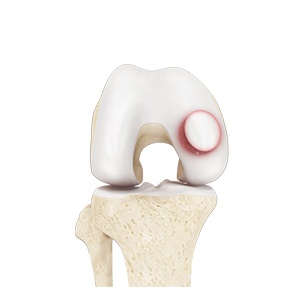
Osteochondral allograft transplantation is an advanced cartilage restoration procedure used to treat areas of damaged cartilage and underlying bone within the joint. The procedure involves transplanting healthy donor cartilage and bone tissue to replace damaged areas and restore joint surfaces.
Articular cartilage is the smooth tissue that covers the ends of bones within a joint. This cartilage helps cushion the joint and allows bones to move smoothly during activity. Injury, repetitive stress, or cartilage degeneration may damage this surface and expose the underlying bone, leading to pain, swelling, catching sensations, and loss of function.
Matthew Byington, DO provides evaluation and treatment for cartilage injuries and knee preservation procedures in Lincoln and Omaha, including osteochondral allograft transplantation for selected patients.
What Is an Osteochondral Allograft?
An osteochondral allograft is donor tissue consisting of healthy cartilage and underlying bone used to restore damaged joint surfaces.
The transplanted tissue is shaped to fit the damaged area and implanted into the defect to recreate the normal contour of the joint.
This procedure is often considered for larger cartilage defects that may not be suitable for other cartilage restoration techniques.
When Is Osteochondral Allograft Recommended?
Osteochondral allograft transplantation may be considered for patients with:
- Large cartilage defects (approximately 15–35 mm)
- Full-thickness cartilage injuries
- Pain, swelling, and mechanical symptoms
- Catching or locking sensations
- Active lifestyles and high physical demands
- Cartilage loss associated with underlying bone injury
The procedure may also be considered for conditions including:
Osteochondritis Dissecans (OCD)
Loss of blood supply may cause a segment of bone and cartilage to separate from surrounding tissue.
Avascular Necrosis (AVN)
Loss of blood flow may result in bone tissue damage and collapse.
Who May Be a Candidate?
Patients who may benefit from osteochondral allograft procedures often include:
- Active individuals
- Patients younger than 50 years old
- Patients with localized cartilage injuries
- Individuals seeking joint preservation options
- Athletes with cartilage defects affecting activity
Patient selection depends on cartilage condition, defect size, joint alignment, and activity goals.
How Are Cartilage Injuries Diagnosed?
Evaluation commonly includes:
- Medical history review
- Physical examination
- Motion assessment
- Stability testing
- Activity evaluation
Imaging Studies
X-Rays may evaluate:
- Alignment
- Joint preservation
- Bone changes
- Associated abnormalities
MRI commonly evaluates:
- Cartilage injuries
- Bone involvement
- Lesion size
- Ligament injuries
- Joint surfaces
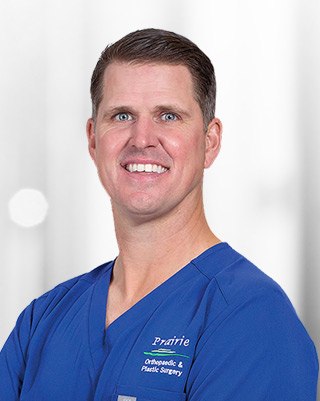
Matthew Byington, DO Board Certified Orthopaedic Surgeon
Dr. Matthew Byington is a board certified Orthopedic Surgeon, specializing in minimally invasive arthroscopic techniques and sports medicine. He specializes in Shoulder, Knee and Elbow conditions, although he treats all orthopedic conditions.
How Is Osteochondral Allograft Surgery Performed?
The procedure is typically performed under general or regional anesthesia.
During surgery:
- The damaged cartilage and underlying bone are identified and measured
- The defect is prepared by removing damaged tissue
- Donor cartilage and bone tissue are matched to the defect size
- The graft is shaped to recreate the joint surface
- The transplant is implanted and secured within the prepared area
Additional fixation devices such as screws or pins may occasionally be used depending on graft stability.
The goal is to restore joint function and preserve native cartilage surfaces.
Recovery After Osteochondral Allograft Transplantation
Recovery depends on graft size, location, and associated procedures.
Postoperative rehabilitation commonly includes:
- Temporary bracing
- Crutch-assisted ambulation
- Protected weight-bearing for several weeks
- Early range of motion exercises
- Physical therapy
- Progressive strengthening programs
Return to sports and higher-level activity may take several months.
Benefits of Osteochondral Allograft Transplantation
Potential benefits may include:
- Restoration of cartilage surfaces
- Treatment of larger cartilage defects
- Joint preservation
- Pain reduction
- Improved function
- Return to activity
- Restoration of underlying bone support
Compared with autograft procedures, osteochondral allografts may help treat larger defects without creating a second donor site.
Risks & Complications
Possible risks may include:
- Infection
- Pain
- Bleeding
- Stiffness
- Implant or graft failure
- Blood clots
- Delayed healing
- Persistent symptoms
Why Choose Dr. Byington for Osteochondral Allograft Treatment?
Matthew Byington, DO is a fellowship-trained orthopedic surgeon specializing in sports medicine, cartilage restoration, and knee preservation procedures. He treats patients with:
- Cartilage injuries
- Osteochondral defects
- Meniscus injuries
- ACL injuries
- Sports-related knee conditions
- Complex cartilage disorders
Treatment plans focus on restoring function, preserving joints, and helping patients return to active lifestyles.
Frequently Asked Questions About Osteochondral Allograft
What is an osteochondral allograft?
An osteochondral allograft uses donor cartilage and bone tissue to replace damaged cartilage surfaces within the joint.
Who is a candidate for osteochondral allograft surgery?
The procedure is often considered for active patients with larger cartilage defects and preserved joint surfaces.
How long is recovery after osteochondral allograft transplantation?
Recovery varies depending on the size and location of the defect, but rehabilitation commonly continues for several months.
Will I need physical therapy after surgery?
Yes. Physical therapy plays an important role in restoring motion, strength, and function.
Can athletes return to sports after osteochondral allograft surgery?
Many athletes return to activity, although timing depends on healing and rehabilitation progress.
What conditions may require osteochondral allograft treatment?
The procedure may be considered for cartilage defects, osteochondritis dissecans, avascular necrosis, and selected joint preservation cases.
Restore Joint Function & Preserve Cartilage Health
If knee pain, cartilage damage, or activity limitations are affecting your quality of life, schedule an evaluation with Matthew Byington, DO to discuss personalized treatment options for cartilage restoration and osteochondral allograft transplantation in Lincoln and Omaha, Nebraska.