


Knee Pain Treatment in Lincoln & Omaha, NE
Knee pain is one of the most common orthopedic complaints affecting people of all ages and activity levels. It may develop suddenly after an injury or gradually over time due to overuse, arthritis, cartilage wear, or underlying structural problems.
Whether knee pain affects sports participation, work activities, exercise, or everyday mobility, early evaluation may help identify the cause and prevent worsening symptoms.
Matthew Byington, DO provides comprehensive diagnosis and treatment for knee pain in Lincoln and Omaha, helping patients return to an active lifestyle through individualized non-surgical and surgical treatment plans.
Treatment recommendations are based on the source of pain, severity of symptoms, activity goals, and overall knee function.
What Causes Knee Pain?
Knee pain can result from injuries, degeneration, overuse conditions, instability, cartilage problems, or arthritis.
Common causes include:
Knee Arthritis
Cartilage wear and joint degeneration may lead to pain, stiffness, swelling, and loss of motion.
Meniscus Tears
The meniscus acts as a shock absorber within the knee. Tears may cause pain, swelling, locking, and catching sensations.
Ligament Injuries
ACL, PCL, MCL, and LCL injuries may lead to pain, instability, and reduced athletic performance.
Cartilage Injuries
Damage to the joint surface may cause persistent pain, swelling, grinding, and mechanical symptoms.
Patellar Instability
Kneecap tracking problems or dislocations may cause anterior knee pain and instability.
Tendon Injuries
Patellar tendon and quadriceps tendon conditions may cause pain during activity, jumping, or running.
Overuse Conditions
Repetitive activity may contribute to conditions such as:
- Patellar tendinitis
- Runner’s knee
- IT band syndrome
- Bursitis
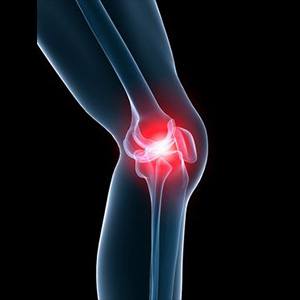
Symptoms Associated With Knee Pain
Symptoms depend on the underlying cause.
Common complaints include:
- Knee pain during walking or standing
- Swelling
- Stiffness
- Locking or catching sensations
- Grinding or clicking
- Knee instability
- Reduced range of motion
- Difficulty climbing stairs
- Pain during sports activities
- Weakness or buckling
What does serious knee pain feel like?
Persistent pain, swelling, instability, locking, or inability to bear weight may indicate a more significant injury requiring orthopedic evaluation.
Types of Knee Pain
Acute Knee Pain
Acute pain develops suddenly and commonly results from:
- Sports injuries
- Falls
- Twisting injuries
- Ligament tears
- Fractures
Chronic Knee Pain
Chronic pain develops gradually and may be associated with:
- Arthritis
- Cartilage degeneration
- Overuse injuries
- Tendon disorders
- Alignment problems
Anterior Knee Pain
Pain located in the front of the knee often involves:
- Patellofemoral conditions
- Tendon injuries
- Tracking disorders
Medial or Lateral Knee Pain
Pain along the sides of the knee may indicate meniscus injuries, ligament damage, arthritis, or alignment abnormalities.
How Is Knee Pain Diagnosed?
Accurate diagnosis is essential because knee pain may arise from multiple structures.
Medical History and Physical Examination
Dr. Byington evaluates:
- Pain location
- Swelling patterns
- Motion limitations
- Stability
- Alignment
- Strength
- Functional limitations
The mechanism of injury and activity demands help guide treatment planning.
X-Rays
X-rays evaluate:
- Arthritis
- Bone alignment
- Fractures
- Joint narrowing
- Degenerative changes
MRI
MRI may help identify:
- Meniscus tears
- Cartilage defects
- Ligament injuries
- Tendon conditions
- Bone bruising
Diagnostic Ultrasound or Additional Imaging
Advanced imaging may be used when necessary.

Matthew Byington, DO Board Certified Orthopaedic Surgeon
Dr. Matthew Byington is a board certified Orthopedic Surgeon, specializing in minimally invasive arthroscopic techniques and sports medicine. He specializes in Shoulder, Knee and Elbow conditions, although he treats all orthopedic conditions.
Non-Surgical Treatment for Knee Pain
Many causes of knee pain improve without surgery.
Activity Modification
Reducing aggravating activities may decrease stress on the knee.
Physical Therapy
Therapy may focus on:
- Strength development
- Motion restoration
- Stability training
- Biomechanics correction
- Return-to-sport progression
Anti-Inflammatory Medications
Medications may help reduce pain and swelling.
Bracing and Support
Bracing may improve stability and offload affected areas.
Injection Therapy
Selected patients may benefit from:
- Corticosteroid injections
- Viscosupplementation
- Other regenerative treatment approaches when appropriate
Weight Management
Reducing body weight may decrease joint loading and improve symptoms.
When Is Surgery Considered for Knee Pain?
Surgical treatment may become appropriate when:
- Pain persists despite conservative care
- Mechanical symptoms continue
- Instability affects function
- Structural injury exists
- Daily activities become limited
Treatment depends on diagnosis and patient goals.
Surgical Treatments for Knee Conditions
Depending on the cause of pain, procedures may include:
Arthroscopic Knee Surgery
Minimally invasive procedures may treat:
- Meniscus tears
- Cartilage injuries
- Loose bodies
- Synovial conditions
Ligament Reconstruction
ACL, PCL, MCL, and LCL injuries may require reconstruction when instability persists.
Cartilage Restoration
Joint preservation procedures may help selected patients with cartilage defects.
Knee Replacement Surgery
Patients with advanced arthritis may benefit from:
Why Choose Dr. Byington for Knee Pain Treatment?
Matthew Byington, DO is a fellowship-trained orthopedic surgeon specializing in sports medicine and knee conditions.
He treats:
- Knee arthritis
- Meniscus tears
- ACL injuries
- Cartilage defects
- Patellar instability
- Sports injuries
- Joint preservation conditions
- Knee replacement candidates
Treatment plans are individualized with the goal of reducing pain and restoring mobility.
Knee Pain Treatment Serving Lincoln & Omaha, Nebraska
Dr. Byington provides evaluation and treatment for knee pain for patients throughout:
Frequently Asked Questions About Knee Pain
When should I see an orthopedic surgeon for knee pain?
You should seek evaluation if pain persists, swelling develops, instability occurs, or symptoms interfere with daily activities.
What causes knee pain without injury?
Arthritis, overuse, cartilage wear, tendon disorders, and alignment problems may cause pain without trauma.
Can knee pain improve without surgery?
Yes. Many patients improve with physical therapy, medications, injections, and activity modification.
Why does my knee hurt when climbing stairs?
Pain climbing stairs may occur with arthritis, patellar conditions, cartilage injuries, or tendon problems.
What imaging is used for knee pain?
X-rays and MRI are commonly used depending on symptoms and suspected conditions.
Can knee pain lead to arthritis?
Some injuries, cartilage defects, and untreated instability may increase arthritis risk over time.
Find Relief From Knee Pain
If knee pain is limiting sports, exercise, work activities, or everyday mobility, schedule an evaluation with Dr. Byington to discuss personalized treatment options for knee pain in Lincoln and Omaha, Nebraska.