


Total Knee Replacement (TKR) Surgery in Lincoln & Omaha, NE
Total knee replacement, also called total knee arthroplasty, is a surgical procedure used to replace worn or damaged surfaces of the knee joint with artificial implants. The knee is made up of the femur (thigh bone), tibia (shin bone), and patella (kneecap), and these structures work together with cartilage and the meniscus to allow smooth movement. When arthritis, injury, or degeneration damages these surfaces, patients may experience severe pain, stiffness, and difficulty performing daily activities. Total knee replacement is recommended when non-surgical treatments no longer provide relief.
Matthew Byington, DO provides evaluation and treatment for advanced knee arthritis in Lincoln and Omaha, including total knee replacement surgery.
What Is Total Knee Replacement?
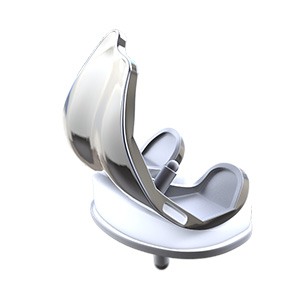
Total knee replacement involves removing the damaged cartilage and bone from the knee joint and replacing them with prosthetic components designed to restore smooth movement and function.
The goal of surgery is to relieve pain, correct deformity, and restore mobility in patients with advanced joint damage.
When Is Total Knee Replacement Recommended?
TKR is commonly recommended for patients with:
- Severe osteoarthritis of the knee
- Chronic knee pain limiting daily activities
- Pain during rest or at night
- Persistent swelling and inflammation
- Failure of non-surgical treatments
- Difficulty walking, standing, or climbing stairs
- Knee deformity such as bow-legged alignment
Causes of Knee Arthritis and Joint Damage
Common contributing factors include:
- Age-related wear and tear
- Prior knee injuries or trauma
- Fractures involving the joint
- Obesity or increased joint stress
- Repetitive overuse
- Joint infections
- Inflammatory or connective tissue disorders
Over time, cartilage wears away, leading to bone-on-bone friction and pain.
Symptoms of Severe Knee Arthritis
Patients may experience:
- Persistent knee pain
- Stiffness and reduced range of motion
- Swelling and inflammation
- Grinding or crepitus in the joint
- Difficulty walking or climbing stairs
- Pain at rest or during sleep
- Progressive loss of function
How Knee Arthritis Is Diagnosed
Diagnosis typically includes:
- Medical history and physical examination
- Assessment of pain and mobility
- X-rays showing joint space narrowing
- Evaluation of bone spurs and deformity
- Assessment of functional limitations
X-rays are the primary imaging tool used to confirm advanced arthritis.

Matthew Byington, DO Board Certified Orthopaedic Surgeon
Dr. Matthew Byington is a board certified Orthopedic Surgeon, specializing in minimally invasive arthroscopic techniques and sports medicine. He specializes in Shoulder, Knee and Elbow conditions, although he treats all orthopedic conditions.
How Total Knee Replacement Is Performed
Total knee replacement is performed under spinal or general anesthesia and typically includes:
- An incision made over the knee joint
- Removal of damaged cartilage and bone from the femur
- Preparation of the femoral surface for implant placement
- Reshaping of the tibia and removal of damaged bone
- Placement of the tibial implant component
- Insertion of a plastic spacer (polyethylene insert) between components
- Resurfacing of the patella if needed
- Testing of knee motion and stability
- Irrigation and cleaning of the joint
- Closure of the incision and placement of a sterile dressing
The implants recreate smooth joint movement and restore alignment.
Recovery After Total Knee Replacement
Recovery begins immediately after surgery and includes:
- Early mobilization with walker or crutches
- Pain management and swelling control
- Physical therapy starting in the hospital or same day
- Strengthening of quadriceps and surrounding muscles
- Range-of-motion exercises
- Possible use of continuous passive motion (CPM) device
- Gradual return to daily activities
Most patients continue rehabilitation for several weeks to months.
Benefits of Total Knee Replacement
- Significant pain relief
- Improved mobility and function
- Correction of leg deformity
- Better ability to walk, climb stairs, and perform daily activities
- Long-term improvement in quality of life
- Restoration of joint alignment and stability
Risks & Complications
As with any major surgery, risks may include:
- Infection
- Blood clots (deep vein thrombosis)
- Knee stiffness
- Nerve or blood vessel injury
- Implant loosening or wear
- Ligament injury
- Patella complications
- Persistent pain or swelling
- Need for revision surgery
Why Choose Matthew Byington, DO
Matthew Byington, DO specializes in advanced knee reconstruction and joint replacement procedures. His approach focuses on relieving pain, restoring alignment, and helping patients return to a more active and functional lifestyle.
Care is tailored to each patient’s level of arthritis, functional limitations, and long-term goals.
Frequently Asked Questions
What is a total knee replacement?
It is a procedure that replaces damaged knee joint surfaces with artificial implants.
How long does a knee replacement last?
Most modern implants last many years, depending on activity level and health factors.
How painful is recovery?
Pain is expected early but improves significantly with rehabilitation and medication.
When can I walk again?
Most patients begin walking with assistance within a day of surgery.
Is knee replacement permanent?
It is designed as a long-term solution, though revision surgery may be needed in some cases.
Restore Mobility & Relieve Knee Pain
If severe knee arthritis is limiting your ability to walk, work, or enjoy daily activities, total knee replacement may provide long-term pain relief and improved function.
Schedule a consultation with Matthew Byington, DO to discuss whether total knee replacement is right for you.