


Knee Arthritis Treatment in Lincoln & Omaha, NE
Knee arthritis is one of the most common causes of chronic knee pain, stiffness, swelling, and reduced mobility in adults. As cartilage within the knee joint gradually wears down, everyday activities such as walking, climbing stairs, standing, or exercising may become increasingly painful.
Matthew Byington, DO provides comprehensive knee arthritis evaluation and treatment for patients throughout Lincoln, Omaha, and surrounding Nebraska communities. Treatment plans are individualized and may include conservative therapies, injections, activity modification, and surgical options when appropriate.
Whether you are experiencing early symptoms or advanced arthritis that affects daily life, the goal is to reduce pain, improve function, and help you return to the activities you enjoy.
What Is Knee Arthritis?
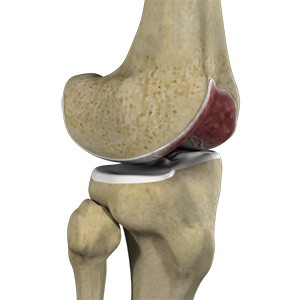
Knee arthritis occurs when the protective cartilage within the knee joint gradually deteriorates, causing bones to rub against one another. This breakdown may lead to inflammation, pain, stiffness, swelling, and loss of motion.
The most common type is osteoarthritis, often referred to as “wear-and-tear arthritis,” but other forms can affect the knee as well.
Common types of knee arthritis include:
Osteoarthritis
Osteoarthritis develops when cartilage gradually wears down over time. It commonly affects adults as they age and may worsen with prior injury, excess weight, or repetitive stress.
Post-Traumatic Arthritis
This type develops after knee injuries such as ligament tears, fractures, or meniscus injuries that alter joint mechanics.
Rheumatoid Arthritis
Rheumatoid arthritis is an autoimmune condition that causes inflammation within the joint lining and may damage cartilage and bone.
What Are the Symptoms of Knee Arthritis?
Symptoms may develop gradually and often worsen over time.
Common signs include:
- Knee pain during walking or standing
- Stiffness after sitting or resting
- Swelling around the knee joint
- Grinding, clicking, or popping sensations
- Reduced range of motion
- Difficulty climbing stairs
- Knee instability or weakness
- Pain that worsens with activity
- Morning stiffness
- Difficulty participating in sports or exercise
What Does Knee Arthritis Feel Like?
Many patients describe knee arthritis as aching pain, stiffness, grinding sensations, swelling, or a feeling that the knee no longer moves smoothly.
What Causes Knee Arthritis?
Several factors may contribute to the development of knee arthritis, including:
- Aging and cartilage wear
- Previous knee injuries
- Meniscus tears or ligament injuries
- Obesity or excess body weight
- Family history of arthritis
- Repetitive impact activities
- Joint malalignment
- Autoimmune disorders
Athletes and patients with prior ACL tears, meniscus injuries, or fractures may have an increased risk of developing arthritis later in life.
How Is Knee Arthritis Diagnosed?
A thorough evaluation helps determine the severity of arthritis and identify the most appropriate treatment plan.
Diagnosis may include:
Medical History and Physical Examination
Dr. Byington evaluates symptoms, mobility limitations, alignment, swelling, strength, and gait patterns.
X-Rays
X-rays help assess:
- Joint space narrowing
- Bone spurs
- Alignment changes
- Arthritis severity
MRI Imaging
MRI may be recommended when cartilage injuries, meniscus damage, ligament problems, or other soft tissue concerns are suspected.
Functional Assessment
Activity level, work demands, and lifestyle goals help guide treatment recommendations.
Non-Surgical Treatment for Knee Arthritis
Many patients improve without surgery. Early treatment may help reduce symptoms and delay progression.
Physical Therapy and Exercise
Targeted exercises may improve strength, flexibility, balance, and joint support while reducing stress on the knee.
Activity Modification
Adjusting high-impact activities may help reduce pain while maintaining mobility.
Anti-Inflammatory Medications
NSAIDs and other medications may help manage inflammation and discomfort.
Knee Bracing
Bracing may improve support and redistribute forces within affected portions of the knee.
Injection Therapy
Injections may help relieve symptoms in selected patients and may include:
- Corticosteroid injections
- Viscosupplementation injections
- Other regenerative treatment options when appropriate
Weight Management
Even modest weight reduction may decrease stress placed on the knee joint.

Matthew Byington, DO Board Certified Orthopaedic Surgeon
Dr. Matthew Byington is a board certified Orthopedic Surgeon, specializing in minimally invasive arthroscopic techniques and sports medicine. He specializes in Shoulder, Knee and Elbow conditions, although he treats all orthopedic conditions.
When Is Knee Replacement Surgery Considered?
Surgery may become appropriate when non-surgical treatment no longer provides adequate relief.
Signs that surgery may be considered include:
- Persistent pain despite conservative care
- Difficulty walking or standing
- Pain interfering with sleep
- Loss of independence in daily activities
- Significant stiffness
- Advanced arthritis seen on imaging
Not every patient with arthritis requires surgery. Treatment recommendations are based on symptoms, imaging findings, lifestyle, and personal goals.
Surgical Options for Knee Arthritis
Depending on arthritis severity and location, surgical options may include:
Partial Knee Replacement
Partial knee replacement may be considered when arthritis affects only one compartment of the knee.
Total Knee Replacement
Total knee replacement removes damaged surfaces and replaces them with prosthetic components designed to restore motion and reduce pain.
Osteotomy Procedures
For select patients with alignment issues and localized arthritis, osteotomy may help preserve the joint and delay replacement surgery.
Why Choose Dr. Byington for Knee Arthritis Care?
Matthew Byington, DO is a fellowship-trained orthopedic surgeon specializing in sports medicine, arthroscopy, and knee conditions affecting patients of all activity levels.
He treats a broad range of knee problems including:
- Knee arthritis
- Meniscus injuries
- Ligament tears
- Cartilage damage
- Sports injuries
- Joint preservation procedures
- Knee replacement surgery
Every treatment plan is individualized with the goal of restoring mobility and improving quality of life.
Knee Arthritis Treatment Serving Lincoln & Omaha, Nebraska
Dr. Byington provides knee arthritis evaluation and treatment for patients throughout:
Frequently Asked Questions About Knee Arthritis
Can knee arthritis be treated without surgery?
Yes. Many patients improve with physical therapy, injections, medications, bracing, and activity modification.
What is the best treatment for knee osteoarthritis?
Treatment depends on severity and may include conservative care, injections, or surgery.
Does walking help knee arthritis?
Low-impact exercise often helps maintain flexibility and strength, although activity recommendations vary.
When should I see an orthopedic surgeon for knee arthritis?
You should seek evaluation if pain persists, mobility decreases, swelling develops, or symptoms interfere with daily life.
How do I know if I need knee replacement surgery?
Persistent pain, advanced imaging findings, and loss of function may indicate surgery should be considered.
What causes knee arthritis?
Common causes include aging, previous injuries, obesity, repetitive stress, genetics, and inflammatory conditions.
Find Relief from Knee Arthritis
If knee pain, stiffness, or swelling is affecting your daily activities, schedule an evaluation with Dr. Byington to discuss personalized treatment options for knee arthritis in Lincoln and Omaha, Nebraska.