


Meniscal Transplantation Surgery in Lincoln & Omaha, NE
Meniscal transplantation is an advanced knee preservation procedure performed to replace a damaged or previously removed meniscus with healthy donor cartilage. The procedure is designed to help reduce pain, improve knee function, and potentially delay progressive cartilage damage and arthritis in appropriately selected patients.
The meniscus is a C-shaped cartilage structure that acts as a cushion between the thighbone (femur) and shinbone (tibia). Each knee contains two menisci:
- Medial meniscus – located on the inner side of the knee
- Lateral meniscus – located on the outer side of the knee
In addition to shock absorption, the meniscus contributes to knee stability, load distribution, and joint protection.
Matthew Byington, DO provides evaluation and treatment for meniscus injuries and knee preservation procedures in Lincoln and Omaha, including meniscal transplantation for selected patients.
What Is Meniscal Transplantation?
Meniscal transplantation is a procedure that replaces a damaged or previously removed meniscus using donor cartilage tissue. The goal is to restore cushioning within the knee and help reduce pain while preserving long-term joint function.
This procedure is often considered for younger, active individuals who continue to experience pain after prior meniscus removal.
Why Is Meniscal Transplantation Performed?
A damaged or absent meniscus may increase pressure within the knee and contribute to:
- Persistent knee pain
- Swelling
- Activity limitations
- Loss of shock absorption
- Progressive cartilage wear
- Early arthritic changes
Meniscal transplantation aims to restore knee biomechanics and improve joint preservation.
Who May Be a Candidate for Meniscal Transplantation?
Meniscal transplantation may be considered for:
- Young to middle-aged patients (typically under 50 years old)
- Patients with stable and well-aligned knees
- Individuals with intact or minimally damaged cartilage
- Patients who previously underwent meniscectomy (meniscus removal)
- Patients experiencing persistent activity-related knee pain
- Active individuals seeking knee preservation options
Who May Not Be a Candidate?
Meniscal transplantation may not be recommended for patients with:
- Advanced arthritis
- Severe cartilage damage
- Significant joint degeneration
- Uncontrolled instability
- Poor alignment not addressed by treatment
Patient selection plays an important role in achieving successful outcomes.
How Is Meniscal Injury Diagnosed?
Evaluation commonly includes:
- Medical history review
- Physical examination
- Motion assessment
- Stability testing
- Activity evaluation
Imaging Studies
X-Rays may evaluate:
- Alignment
- Arthritis
- Joint preservation
- Degenerative changes
MRI commonly evaluates:
- Meniscus damage
- Cartilage condition
- Ligament injuries
- Joint surfaces
- Tear severity
MRI helps determine candidacy and evaluate the condition of the knee.
How Is Meniscal Transplant Surgery Performed?
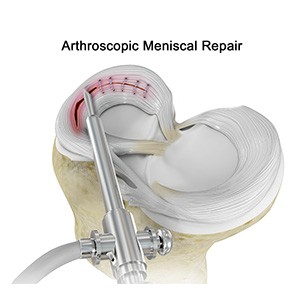
Meniscal transplantation is typically performed using arthroscopic-assisted techniques under general anesthesia.
During surgery:
- The damaged meniscus is removed if necessary
- The knee is prepared to receive the transplant
- Donor meniscal cartilage is sized to match the patient’s knee
- The new meniscus is positioned using arthroscopic guidance
- Sutures and fixation devices help secure the transplant
Additional procedures may sometimes be performed during surgery including:
- Cartilage restoration procedures
- Ligament reconstruction
- Alignment correction procedures
The goal is to restore cushioning and improve knee mechanics.

Matthew Byington, DO Board Certified Orthopaedic Surgeon
Dr. Matthew Byington is a board certified Orthopedic Surgeon, specializing in minimally invasive arthroscopic techniques and sports medicine. He specializes in Shoulder, Knee and Elbow conditions, although he treats all orthopedic conditions.
Recovery After Meniscal Transplantation
Recovery varies depending on associated procedures and patient goals.
Postoperative care commonly includes:
- Knee brace support
- Crutch-assisted ambulation
- Protected weight-bearing
- Physical therapy
- Range of motion exercises
- Progressive strengthening programs
Athletic return timelines vary, and full return to sports may take several months.
Benefits of Meniscal Transplantation
Potential benefits may include:
- Pain reduction
- Improved knee function
- Restoration of cushioning
- Preservation of joint surfaces
- Reduced cartilage stress
- Delayed degenerative changes
- Return to activity
Risks & Complications
As with any surgical procedure, possible risks may include:
- Knee stiffness
- Persistent pain
- Infection
- Bleeding
- Nerve injury
- Transplant dysfunction
- Incomplete healing
- Re-tear of the transplanted meniscus
- Weakness
- Rare risk of tissue-related complications
Why Choose Dr. Byington for Meniscal Transplantation?
Matthew Byington, DO is a fellowship-trained orthopedic surgeon specializing in sports medicine, arthroscopic surgery, and knee preservation procedures. He treats patients with:
- Meniscus injuries
- Meniscal deficiency
- ACL injuries
- Cartilage damage
- Sports-related knee conditions
- Complex knee preservation problems
Treatment plans focus on restoring function, preserving the knee joint, and helping patients return to active lifestyles.
Frequently Asked Questions About Meniscal Transplantation
Who is a candidate for meniscal transplantation?
Meniscal transplantation is typically considered for younger, active patients with persistent knee pain after previous meniscus removal and minimal joint arthritis.
Can meniscal transplantation help prevent arthritis?
The procedure is designed to restore cushioning within the knee and may help reduce cartilage stress and slow degenerative changes.
How is meniscal transplantation performed?
The procedure is commonly performed using arthroscopic-assisted techniques with donor meniscal tissue customized to fit the patient’s knee.
How long is recovery after meniscal transplantation?
Recovery varies by patient and associated procedures, but rehabilitation commonly includes bracing, physical therapy, and gradual return to activity.
Will I need physical therapy after surgery?
Yes. Physical therapy plays an important role in restoring motion, strength, and knee function after surgery.
When can athletes return to sports after meniscal transplantation?
Return-to-sport timelines vary, and full recovery may take several months depending on healing and rehabilitation progress.
Meniscal Transplantation Serving Lincoln & Omaha, Nebraska
Dr. Byington provides meniscal transplantation evaluation and knee preservation care for patients throughout Lincoln, Omaha, Bellevue, Papillion, Gretna, Seward, Waverly, Lancaster County, and surrounding communities.