
Elbow Arthroscopy Surgery in Lincoln & Omaha, NE
Elbow arthroscopy, also known as minimally invasive or “keyhole” surgery, is a procedure used to diagnose and treat a wide range of elbow conditions through small incisions. The elbow is a complex hinge joint formed by the humerus (upper arm bone), radius, and ulna (forearm bones), supported by cartilage, ligaments, tendons, muscles, nerves, and surrounding soft tissues. When these structures become damaged due to injury, arthritis, or overuse, patients may experience pain, stiffness, and limited motion. Elbow arthroscopy allows precise treatment of these problems with minimal disruption to surrounding tissue.
Matthew Byington, DO provides evaluation and treatment for complex elbow conditions in Lincoln and Omaha, including advanced arthroscopic procedures to restore motion and reduce pain.
What Is the Elbow Joint?
The elbow is made up of three joints that work together to allow bending and rotation:
- Ulnohumeral joint (ulna and humerus)
- Radiohumeral joint (radius and humerus)
- Proximal radioulnar joint (radius and ulna)
These structures work together to provide stability and movement for daily arm function.
Conditions Treated with Elbow Arthroscopy
Elbow arthroscopy may be used to treat:
- Loose bodies (bone or cartilage fragments)
- Bone spurs
- Scar tissue formation
- Osteoarthritis
- Rheumatoid arthritis
- Osteochondritis dissecans
- Joint inflammation and impingement
- Limited range of motion or stiffness
It is both a diagnostic and therapeutic procedure.
Symptoms That May Require Treatment
Patients may experience:
- Elbow pain during movement
- Stiffness or reduced range of motion
- Locking or catching sensation
- Swelling and inflammation
- Weakness in grip or arm function
- Difficulty fully extending or bending the elbow
How Elbow Arthroscopy Is Performed
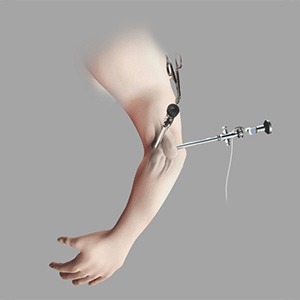
Elbow arthroscopy is typically performed as an outpatient procedure under general anesthesia.
Surgical steps may include:
- Small incisions (portals) around the elbow
- Insertion of an arthroscope (camera device)
- Filling the joint with sterile fluid for visualization
- Inspection of cartilage, ligaments, and joint surfaces
- Use of specialized instruments to treat damage
- Removal of loose bodies, scar tissue, or bone spurs
- Repair of damaged structures if needed
- Closure of incisions with sutures and sterile dressings
- Application of a splint or cast for protection
The procedure allows direct visualization and treatment of joint pathology with minimal tissue disruption.
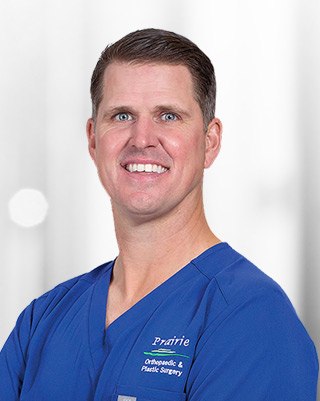
Matthew Byington, DO Board Certified Orthopaedic Surgeon
Dr. Matthew Byington is a board certified Orthopedic Surgeon, specializing in minimally invasive arthroscopic techniques and sports medicine. He specializes in Shoulder, Knee and Elbow conditions, although he treats all orthopedic conditions.
Recovery After Elbow Arthroscopy
Recovery typically includes:
- Rest and elevation of the arm to reduce swelling
- Pain management with medications
- Keeping incisions clean and dry
- Temporary splinting or immobilization
- Gradual return of motion
- Physical therapy for strength and flexibility
- Return to normal activities based on healing progress
Recovery time varies depending on the extent of the procedure performed.
Benefits of Elbow Arthroscopy
- Smaller incisions
- Less pain after surgery
- Reduced soft tissue damage
- Lower risk of infection
- Faster recovery compared to open surgery
- Improved joint function and mobility
Risks & Complications
Possible risks include:
- Infection
- Bleeding
- Nerve or blood vessel injury
- Joint stiffness
- Persistent pain or swelling
- Incomplete symptom relief
- Rare complications requiring additional treatment
Why Choose Matthew Byington, DO for Elbow Arthroscopy
Matthew Byington, DO specializes in minimally invasive elbow procedures, including elbow arthroscopy for both diagnostic and therapeutic purposes. His approach emphasizes precise evaluation, advanced surgical techniques, and structured rehabilitation to restore elbow function and mobility.
Each treatment plan is tailored to the patient’s condition, activity level, and recovery goals.
Frequently Asked Questions
Is elbow arthroscopy major surgery?
It is minimally invasive and typically performed on an outpatient basis.
How long is recovery?
Recovery depends on the procedure, but many patients improve within weeks.
Will I need physical therapy?
Yes, therapy is important for restoring motion and strength.
Is elbow arthroscopy painful?
Post-operative discomfort is usually mild to moderate and manageable.
Can it treat arthritis?
Yes, it can help manage symptoms and remove debris or bone spurs.
Restore Elbow Motion & Reduce Pain
If elbow pain, stiffness, or limited movement is affecting your daily life, elbow arthroscopy may help restore function and improve comfort.
Schedule a consultation with Matthew Byington, DO to discuss your treatment options.