


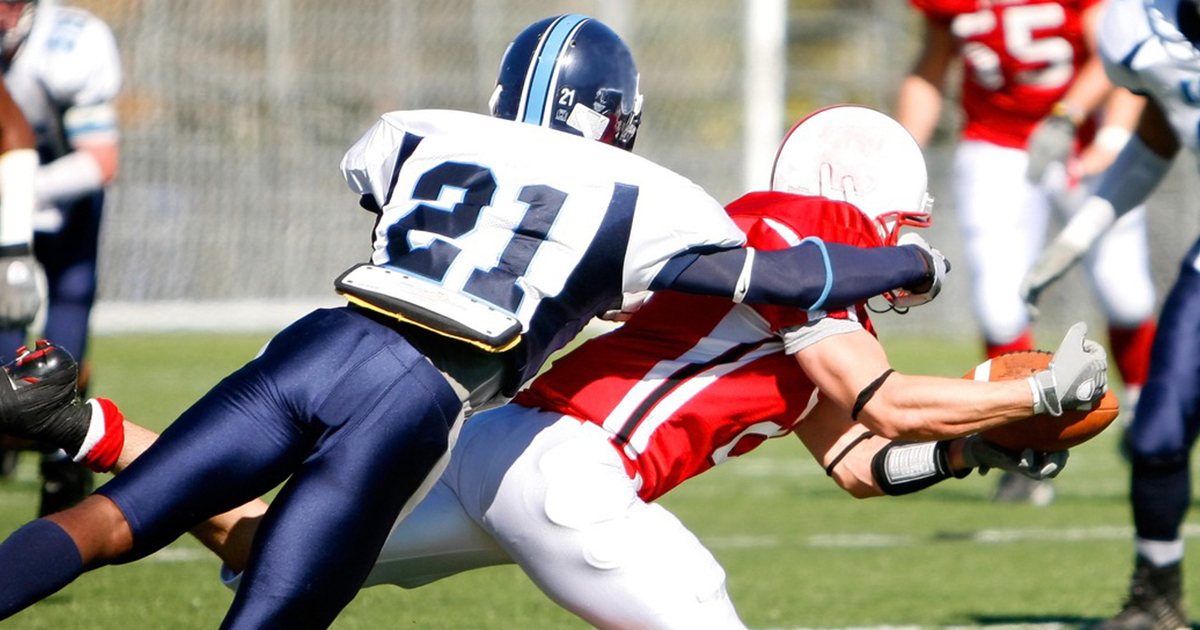
Whether you play on a Lincoln high school team, compete in an Omaha adult league, or simply stay active on weekends, injuries can happen in a split second. Some sprains and strains settle with a few days of rest. Others involve damage to ligaments, cartilage, or bone that benefits from a closer look by a specialist. Knowing the difference helps you protect your joints. Here are seven sports injuries that often call for specialist care.
Why Some Sports Injuries Need a Specialist
Sports injuries generally fall into two categories. Acute injuries happen suddenly, such as when you fall, take a blow, or twist a joint. Chronic injuries develop gradually from overuse.1 Many minor injuries can be managed at home with rest, ice, compression, and elevation, but severe injuries need professional care, and some may require surgery.1
A sports medicine specialist focuses on diagnosing these injuries accurately and matching treatment to the demands of your sport and lifestyle.
Seven Injuries That Often Need Specialist Care in Lincoln and Omaha
1. ACL Tears
The anterior cruciate ligament helps stabilize the knee during cutting and pivoting. ACL tears affect more than 200,000 people in the United States each year and represent more than half of all knee injuries.2 Many athletes feel or hear a pop, followed by swelling within 24 hours and a sense that the knee is giving way.2 Because instability can lead to further damage, an evaluation helps determine whether rehabilitation or ACL reconstruction is the better fit.
2. Meniscus Tears
The meniscus acts as a shock absorber between the thighbone and shinbone. An awkward twist or pivot can tear it, often along with a ligament injury.1 Common symptoms include pain, stiffness and swelling, catching or locking, and a sense that the knee is giving way.3 Tears in the outer portion have better blood supply and may be repairable, which is why timely evaluation for meniscal repair can make a difference.3
3. Rotator Cuff Tears
The rotator cuff is a group of muscles and tendons that keep the shoulder centered and allow you to lift and rotate your arm. Tears can occur from a fall or a sudden heavy lift, or gradually from repeated overhead activity. Weakness when raising your arm and pain at night are common clues. Our page on rotator cuff tears explains how these injuries are diagnosed and treated.
4. Shoulder Labrum Tears and Instability
The labrum is a rim of tissue that deepens the shoulder socket. Once the labrum and shoulder ligaments become stretched or torn, the shoulder can become loose and dislocate repeatedly.1 Athletes in contact and overhead sports are especially prone. A labrum tear that causes ongoing instability may benefit from shoulder stabilization surgery.
5. Elbow Ulnar Collateral Ligament Injuries
Repeated throwing can tear the ulnar collateral ligament on the inner side of the elbow, causing pain and reduced throwing effectiveness.1 This injury is common among pitchers and other throwing athletes. Treatment ranges from rest and rehabilitation to reconstruction, often called Tommy John surgery, for athletes who want to return to high level throwing.
6. Kneecap Dislocation and Instability
A strong impact or twisting motion can force the kneecap out of its groove at the end of the thighbone.1 Some people experience a single episode, while others develop repeated instability that makes sports difficult. When the kneecap keeps slipping, patella stabilization procedures may help restore a stable joint.
7. Sports Fractures
A fracture is a break in a bone, either from a sudden impact or from repetitive stress.1 Most acute fractures require an immediate visit to a health care provider, and stress fractures are common in running and jumping sports.1 Specialized care for sports related fractures focuses on proper healing and a safe return to activity.
Signs You Should Not Wait
Some symptoms suggest an injury needs prompt attention rather than home care. These include severe pain, significant swelling or bruising, inability to put weight on the limb, and a joint that looks out of place.1 Symptoms that do not improve after a few days of rest also deserve a closer look. If you notice any of these, an early evaluation can help prevent a minor setback from becoming a longer recovery.
Frequently Asked Questions
What is the difference between a sports medicine surgeon and a general orthopedic surgeon?
A sports medicine surgeon is an orthopedic surgeon with additional fellowship training focused on athletic injuries and arthroscopic procedures. This training centers on conditions like ligament tears, cartilage damage, and joint instability.
Can a torn ACL heal without surgery?
A torn ACL does not usually heal back together, but not everyone needs surgery. The decision depends on the severity of the injury, your age, knee instability, and your activity level.2
How do I know if a knee injury is serious?
A knee injury may be serious if you heard a pop, the knee swelled quickly, it gives way, or it catches or locks.2,3 These signs suggest damage to a ligament or meniscus that should be evaluated.
Should I use ice or heat after a sports injury?
Ice is the standard choice in home care for a fresh injury. Many injuries can be treated with rest, ice, compression, and elevation, while severe injuries call for professional care.1
Where can I see a sports medicine surgeon in Lincoln or Omaha, NE?
You can be seen at our South Lincoln, North Lincoln, or Omaha practice locations. Appointments cover knee, shoulder, and elbow sports injuries for athletes of all levels.
Protect Your Performance With Sports Medicine Care in Lincoln and Omaha
Not every sports injury needs a specialist, but the seven covered here often benefit from expert evaluation and a plan built around your goals. Early, accurate care can help you heal well and return to your sport with confidence. If you have a sports injury in Lincoln or Omaha, you can request an appointment online or call (402) 489-4700 to have it evaluated.
References
- National Institute of Arthritis and Musculoskeletal and Skin Diseases. Sports Injuries. National Institutes of Health. https://www.niams.nih.gov/health-topics/sports-injuries
- Williams HA, Kennedy OT, Droz L, Lau B. Anterior Cruciate Ligament (ACL) Injuries. OrthoInfo, American Academy of Orthopaedic Surgeons. https://www.orthoinfo.org/en/diseases--conditions/anterior-cruciate-ligament-acl-injuries/
- Wittstein JR. Meniscus Tears. OrthoInfo, American Academy of Orthopaedic Surgeons. https://www.orthoinfo.org/en/diseases--conditions/meniscus-tears/
Matthew Byington, DO is a board-certified orthopedic surgeon and fellowship-trained sports medicine specialist serving patients in Lincoln and Omaha, Nebraska. Born and raised in Lincoln, he specializes in both surgical and non-surgical treatment of knee, shoulder, elbow, and sports-related injuries, with particular expertise in ACL reconstruction, cartilage restoration, meniscus repair, joint preservation, and shoulder reconstruction procedures.