


Patella Stabilization Surgery in Lincoln & Omaha, NE
Patella stabilization procedures are performed to treat recurrent kneecap instability, subluxation, and dislocation. The goal of treatment is to restore knee stability, reduce pain, and help patients safely return to sports and daily activities.
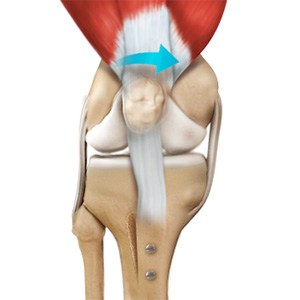
The patella (kneecap) sits within a groove at the end of the femur called the trochlea and moves as the knee bends and straightens. The medial patellofemoral ligament (MPFL) is one of the primary soft tissue restraints that helps keep the kneecap aligned and prevents it from moving out of position.
When the kneecap partially shifts out of the groove, it is called patellar subluxation. When it completely moves out of the groove, it is called patellar dislocation.
Matthew Byington, DO provides evaluation and treatment for patellar instability and knee preservation conditions in Lincoln and Omaha, including patella stabilization procedures for recurrent instability.
What Causes Patellar Instability?
Patellar instability may occur from:
- Sports injuries
- Twisting movements
- Direct trauma
- Sudden direction changes
- Muscle imbalance
- Congenital anatomy differences
- MPFL injuries or tears
Patellar instability commonly affects young athletes and active individuals.
Symptoms of Patellar Instability
Common symptoms may include:
- Knee pain
- Swelling
- Feeling the kneecap slipping out of place
- Recurrent instability episodes
- Tenderness around the kneecap
- Reduced range of motion
- Difficulty participating in sports
- Weakness
- Discoloration following injury
Patients may experience repeated instability events after an initial dislocation.
How Is Patellar Instability Diagnosed?
Evaluation commonly includes:
- Medical history review
- Physical examination
- Motion assessment
- Stability testing
- Activity evaluation
Imaging Studies
X-Rays may evaluate:
- Alignment
- Patellar position
- Bone anatomy
- Joint surfaces
MRI commonly evaluates:
- MPFL injuries
- Cartilage damage
- Associated ligament injuries
- Soft tissue structures
CT Scan may occasionally be used to assess alignment and bony anatomy.
Non-Surgical Treatment Options
Initial treatment may include:
PRICE Therapy
- Protection
- Rest
- Ice
- Compression
- Elevation
Medications
Anti-inflammatory medications may help reduce pain and swelling.
Bracing & Immobilization
Knee braces or immobilizers may help protect the knee and support healing.
Physical Therapy
Rehabilitation commonly focuses on:
- Pain reduction
- Swelling control
- Motion restoration
- Hip strengthening
- Quadriceps strengthening
- Patellar stabilization exercises
- Return-to-sport progression
When Is Surgery Recommended?
Surgery may be considered for:
- Recurrent patellar instability
- Repeated dislocations
- Failed non-surgical treatment
- Persistent symptoms
- Structural abnormalities
- Athletic instability affecting activity

Matthew Byington, DO Board Certified Orthopaedic Surgeon
Dr. Matthew Byington is a board certified Orthopedic Surgeon, specializing in minimally invasive arthroscopic techniques and sports medicine. He specializes in Shoulder, Knee and Elbow conditions, although he treats all orthopedic conditions.
Patella Stabilization Procedures
Medial Patellofemoral Ligament (MPFL) Reconstruction
MPFL reconstruction restores the stabilizing ligament that helps maintain kneecap alignment.
The damaged ligament is reconstructed using graft tissue, commonly harvested from hamstring tendons or donor tissue.
Tibial Tubercle Osteotomy / Realignment
The tibial tubercle is repositioned to improve kneecap tracking and reduce lateral pull forces.
Fixation devices help secure the new position during healing.
Lateral Release
Lateral release reduces tight soft tissue structures that may pull the kneecap out of alignment.
This procedure may be performed arthroscopically in selected patients.
Recovery After Patella Stabilization Surgery
Recovery varies depending on the procedure performed.
Postoperative rehabilitation commonly includes:
- Crutch-assisted ambulation
- Pain and swelling management
- Physical therapy
- Motion restoration exercises
- Progressive strengthening
- Return-to-sport rehabilitation
Recovery timelines depend on healing and activity goals.
Benefits of Patella Stabilization
Potential benefits may include:
- Improved kneecap stability
- Reduced dislocation risk
- Pain reduction
- Improved function
- Return to sports
- Better knee alignment
- Increased confidence during activity
Risks & Complications
Possible risks may include:
- Infection
- Bleeding
- Stiffness
- Persistent instability
- Recurrent dislocation
- Delayed healing
- Pain
- Nerve irritation
Why Choose Dr. Byington for Patella Stabilization?
Matthew Byington, DO is a fellowship-trained orthopedic surgeon specializing in sports medicine, arthroscopic surgery, and knee preservation procedures. He treats patients with:
- Patellar instability
- Recurrent dislocations
- MPFL injuries
- Cartilage injuries
- Sports-related knee conditions
- Complex knee disorders
Treatment plans focus on restoring stability, preserving knee function, and helping patients return to active lifestyles.
Frequently Asked Questions About Patella Stabilization
What is patella stabilization surgery?
Patella stabilization includes procedures designed to restore kneecap alignment and reduce recurrent instability.
What causes recurrent kneecap dislocation?
Recurrent instability may occur due to ligament injuries, anatomy differences, trauma, or muscle imbalance.
What is MPFL reconstruction?
MPFL reconstruction restores the medial patellofemoral ligament that helps prevent kneecap dislocation.
Will I need physical therapy after surgery?
Yes. Rehabilitation is an important part of restoring motion, strength, and knee stability.
How long is recovery after patella stabilization surgery?
Recovery varies depending on the procedure and rehabilitation progress.
Can athletes return to sports after surgery?
Many athletes return to sports following recovery and completion of rehabilitation.
Restore Knee Stability & Return to Activity
If kneecap instability, recurrent dislocations, or knee pain are limiting your activities, schedule an evaluation with Matthew Byington, DO to discuss personalized patella stabilization treatment options in Lincoln and Omaha, Nebraska.