


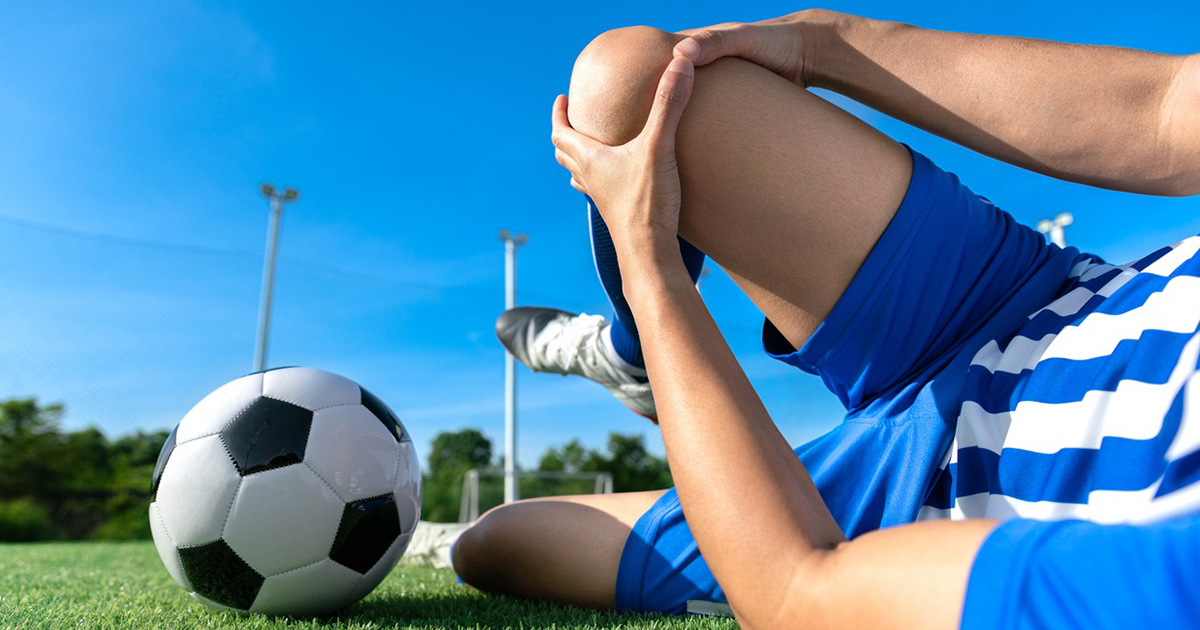
For an athlete, an injury is about more than pain. It can mean missed games in a Lincoln high school season, a pause in your Omaha club schedule, or uncertainty about whether your body will ever feel the same. What you want most is a clear path back and a team that understands what you are working toward. This article walks through what athletes look for in orthopedic care during recovery.
What Makes Injury Recovery Different for Athletes
Most people recover from an injury when they can comfortably walk, work, and sleep again. Athletes usually need more. You need the strength to sprint, the stability to cut and pivot, and the confidence to compete without hesitation. That is why athletic recovery is measured by performance, not only by the absence of pain.
Sports injuries generally fall into two groups. Acute injuries happen suddenly, such as a sprain, fracture, or dislocation. Overuse injuries develop over time from repeated stress, often causing pain during play and a dull ache at rest.1 Each type follows a different recovery path, and a sports medicine approach takes both into account.
Specialized Training Focused on Sports Injuries
Athletes often look for a surgeon whose training is built around the joints and injuries they face. Our practice is led by a board certified orthopedic surgeon with fellowship training in sports medicine and arthroscopic surgery. That training emphasizes conditions such as ligament tears, cartilage damage, joint instability, and the minimally invasive procedures often used to treat them.
Experience with athletes also matters. Over the years, our care has included athletes from area high schools through the collegiate level, including service as a team physician for a Nebraska university athletics program. That background helps shape treatment around the demands of practice schedules, competition seasons, and return to play goals.
An Accurate Diagnosis Comes First
A successful recovery begins with knowing exactly what is injured. The evaluation usually includes a conversation about how the injury happened, a hands on examination of strength, motion, and stability, and imaging when needed.
Precision matters because many sports injuries look similar on the surface. Knee pain after a pivot could involve a ligament, the meniscus, or the cartilage. Shoulder pain in a thrower could come from the rotator cuff, the labrum, or general looseness of the joint. Our guides to knee sports injuries and shoulder sports injuries outline many of the conditions considered during this process.
Choosing the Right Treatment for Your Sport
Not every athlete needs surgery. Many injuries respond well to a period of rest, targeted rehabilitation, bracing, or other nonsurgical treatment. When a structure is badly damaged or the joint is unstable, surgery may offer the most reliable path back to sport.
The anterior cruciate ligament is a common example. ACL tears affect more than 200,000 people in the United States each year, and whether surgery is recommended depends on factors such as the severity of the injury, instability in the knee, and activity level.2 For athletes who want to return to cutting and pivoting sports, ACL reconstruction is often discussed. Other procedures, such as meniscus repair and shoulder stabilization, aim to protect the joint for the seasons ahead.
The Recovery Journey From Treatment to Return to Play
Recovery is a process with clear phases, and knowing what to expect helps you stay patient and motivated.
Protecting the Repair
The early phase focuses on calming pain and swelling while protecting the injured or repaired tissue. This may include a brace, a sling, crutches, or limits on certain motions.
Restoring Motion and Strength
As healing progresses, rehabilitation gradually rebuilds range of motion, muscle strength, and balance. Structured plans such as our knee rehabilitation protocols and shoulder rehabilitation protocols help guide this stage.
Returning to Sport With Confidence
The final phase introduces sport specific drills, such as running, jumping, throwing, or cutting. Return to play decisions are based on strength, stability, and function rather than the calendar alone, which helps reduce the risk of reinjury.
Frequently Asked Questions
How do I know if my sports injury needs an orthopedic surgeon?
You should see an orthopedic specialist if you have severe pain, major swelling, an inability to bear weight, or a joint that looks out of place.1 Symptoms that linger despite rest also deserve an evaluation, which determines whether surgery or nonsurgical care fits best.
Do all sports injuries require surgery?
No, many sports injuries heal with rest, rehabilitation, bracing, or other nonsurgical treatment. Surgery is usually considered for significant tears, unstable joints, or injuries that do not improve with conservative care.
Why does the return to play process take time?
Return to play takes time because healing tissue needs to regain strength and the surrounding muscles need to be retrained for the demands of your sport. Returning too early can increase the risk of another injury.
Can I keep training while I recover from an injury?
Yes, in many cases you can. Your plan may allow you to work on conditioning and train uninjured parts of your body while the injured area heals, as long as the activity does not stress the repair.
Where can athletes in Lincoln and Omaha, NE get sports injury care?
Athletes can be seen at our South Lincoln, North Lincoln, and Omaha practice locations. Care covers sports injuries of the knee, shoulder, and elbow, from diagnosis through rehabilitation and return to play.
Get Back in the Game With Care in Lincoln and Omaha
An injury can interrupt your season, but it does not have to define it. With an accurate diagnosis, a treatment plan matched to your sport, and a recovery that progresses at the right pace, many athletes return to the activities they love. If you are an athlete in Lincoln or Omaha recovering from an injury, you can schedule an appointment online or call (402) 489-4700 to start planning your comeback.
References
- National Institute of Arthritis and Musculoskeletal and Skin Diseases. Sports Injuries. National Institutes of Health. https://www.niams.nih.gov/health-topics/sports-injuries
- Williams HA, Kennedy OT, Droz L, Lau B. Anterior Cruciate Ligament (ACL) Injuries. OrthoInfo, American Academy of Orthopaedic Surgeons. https://www.orthoinfo.org/en/diseases--conditions/anterior-cruciate-ligament-acl-injuries/
Matthew Byington, DO is a board-certified orthopedic surgeon and fellowship-trained sports medicine specialist serving patients in Lincoln and Omaha, Nebraska. Born and raised in Lincoln, he specializes in both surgical and non-surgical treatment of knee, shoulder, elbow, and sports-related injuries, with particular expertise in ACL reconstruction, cartilage restoration, meniscus repair, joint preservation, and shoulder reconstruction procedures.