


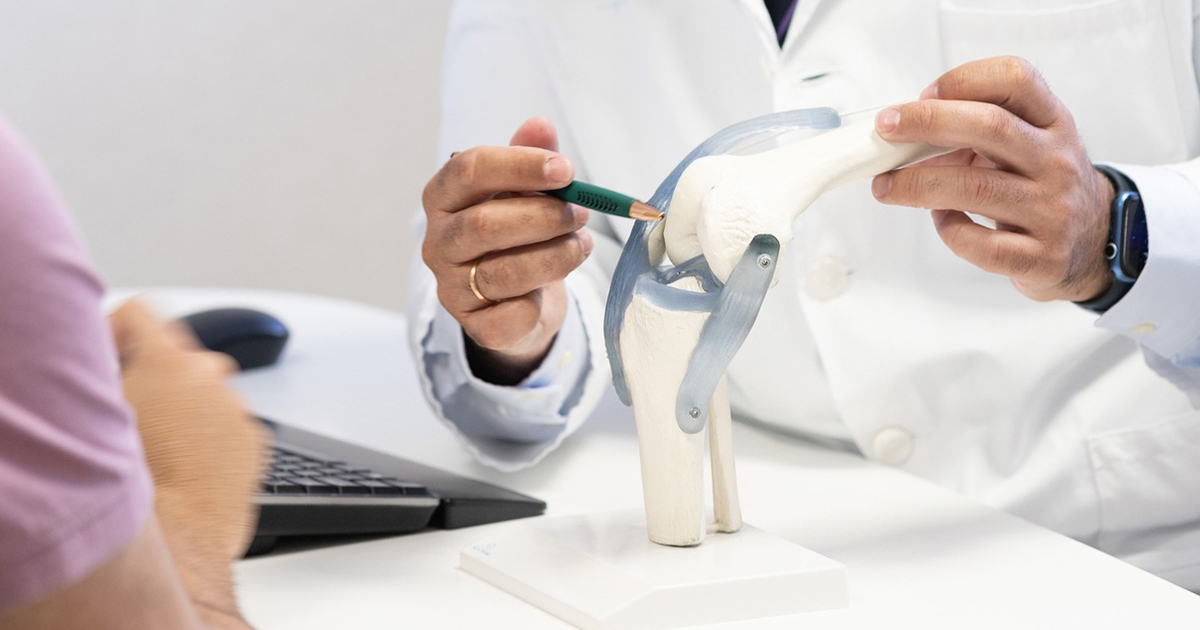
When a joint problem starts affecting your work, sleep, or weekend plans, the first big question is often whether you need surgery. Many people in Lincoln and Omaha assume an orthopedic visit leads straight to the operating room, while others delay care for fear of it. In reality, the choice depends on your diagnosis, your goals, and how your body responds to treatment. This guide offers a practical framework for thinking through that decision.
Start With the Diagnosis, Not the Treatment
The right treatment follows the right diagnosis. Two people with knee pain may have very different problems, such as worn cartilage in one and a torn ligament in the other, and each condition behaves differently over time.
A thorough evaluation usually includes your history, a physical examination of strength, motion, and stability, and imaging when it adds useful information. That combination helps answer three key questions. What is injured or worn? Is the problem likely to improve on its own? Is there a risk that waiting could make it harder to treat later?
Five Questions That Guide the Decision
Every situation is unique, but several factors come up again and again when weighing surgery against nonsurgical orthopaedic treatment.
- How much is the condition limiting your life? Pain that keeps you from working, sleeping, or staying active carries more weight than occasional discomfort.
- Have you given conservative care a fair trial? Many conditions improve with time, therapy, and activity changes.
- Is the joint stable and mechanically sound? A knee that gives way or locks behaves differently than one that is simply sore.
- What are your activity goals? A competitive athlete and someone who enjoys gardening may reasonably choose different paths.
- Is the problem likely to worsen without repair? Some tears and injuries have a better chance of healing when treated sooner.
How the Decision Plays Out for Common Conditions in Lincoln and Omaha
Looking at specific conditions shows how these questions work in practice.
Rotator Cuff Tears
Rotator cuff tears are a common cause of shoulder pain, and nonsurgical treatment relieves pain and improves function in about 80 to 85 percent of patients.1 Surgery may be recommended when pain does not improve, when symptoms have lasted 6 to 12 months, when a large tear causes significant weakness, or when the tear came from a recent injury.1 Our page on rotator cuff tears explains these options in more detail.
Meniscus Tears
Many meniscus tears do not need immediate surgery, especially when there is no locking or swelling.2 The outer part of the meniscus has a rich blood supply, so tears there may heal or be repaired, while tears in the inner portion cannot heal on their own and are usually trimmed if symptoms persist.2 When repair makes sense, meniscal repair aims to preserve this important cushion.
ACL Tears
Whether an ACL tear needs surgery depends on the severity of the injury, your age, instability in the knee, and your activity level.3 People who want to return to pivoting sports often consider ACL reconstruction, while less active patients may do well with rehabilitation and activity changes.
Knee Arthritis
For knee arthritis, treatment usually starts with exercise, weight management, physical therapy, bracing, and medications.4 Surgery, such as total knee replacement, is generally considered when pain continues to limit daily life despite these measures.
What Nonsurgical Treatment Can Look Like
Nonsurgical care is an active plan rather than a waiting game. It may include physical therapy to restore strength and motion, activity modification, bracing, medications that reduce inflammation, and injection therapies for selected patients. Progress is reviewed at follow up visits, and the plan can be adjusted if symptoms are not improving as expected.
When Surgery Becomes the Better Option
Surgery tends to move to the front when there is structural damage that will not heal on its own, when a joint is unstable, or when conservative care has not provided enough relief. Many modern procedures are performed arthroscopically through small incisions, and our guide to preparing for surgery explains what to expect before your procedure.
Frequently Asked Questions
Do most orthopedic problems require surgery?
No, many orthopedic conditions improve with nonsurgical care. For example, nonsurgical treatment relieves pain and improves function in about 80 to 85 percent of patients with rotator cuff tears.1
How long should I try nonsurgical treatment before considering surgery?
The right length of time depends on your condition. Some injuries, such as certain acute tears, may benefit from earlier repair, while chronic problems often warrant several months of conservative care before surgery is discussed.
Can waiting too long for surgery make an injury worse?
Yes, it can for certain injuries. An unstable knee or a tear that continues to progress may lead to additional damage over time, which is why an early evaluation is helpful even if you start with conservative care.
Is physical therapy alone enough to fix a torn meniscus?
Sometimes it is. Many meniscus tears without locking or swelling are treated first with rest, therapy, and activity changes, while tears that cause persistent symptoms may need arthroscopic surgery.2
How do I get a second opinion on surgery in Lincoln or Omaha, NE?
You can schedule an evaluation at one of our Lincoln or Omaha office locations. Bring any prior imaging and records so your diagnosis and treatment options can be reviewed in full.
Find the Right Path Forward in Lincoln and Omaha
Choosing between surgery and nonsurgical care is a decision you make together with your orthopedic team, based on a clear diagnosis and your personal goals. Many people start with conservative treatment, and some ultimately benefit from surgery. If you are weighing your options in Lincoln or Omaha, you can book an appointment online or call (402) 489-4700 to discuss the approach that fits you best.
References
- Aibinder WR. Rotator Cuff Tears. OrthoInfo, American Academy of Orthopaedic Surgeons. https://www.orthoinfo.org/en/diseases--conditions/rotator-cuff-tears/
- Wittstein JR. Meniscus Tears. OrthoInfo, American Academy of Orthopaedic Surgeons. https://www.orthoinfo.org/en/diseases--conditions/meniscus-tears/
- Williams HA, Kennedy OT, Droz L, Lau B. Anterior Cruciate Ligament (ACL) Injuries. OrthoInfo, American Academy of Orthopaedic Surgeons. https://www.orthoinfo.org/en/diseases--conditions/anterior-cruciate-ligament-acl-injuries/
- Sheth NP, Foran JRH. Arthritis of the Knee. OrthoInfo, American Academy of Orthopaedic Surgeons. https://www.orthoinfo.org/en/diseases--conditions/arthritis-of-the-knee/
Matthew Byington, DO is a board-certified orthopedic surgeon and fellowship-trained sports medicine specialist serving patients in Lincoln and Omaha, Nebraska. Born and raised in Lincoln, he specializes in both surgical and non-surgical treatment of knee, shoulder, elbow, and sports-related injuries, with particular expertise in ACL reconstruction, cartilage restoration, meniscus repair, joint preservation, and shoulder reconstruction procedures.