

Knee Ligament Injury Treatment in Lincoln & Omaha, NE
Knee ligament injuries are among the most common causes of knee instability, pain, swelling, and loss of function in active individuals and athletes. Whether caused by sports participation, sudden twisting movements, falls, or traumatic injury, ligament damage can significantly affect mobility and performance.
Matthew Byington, DO provides comprehensive evaluation and treatment for knee ligament injuries in Lincoln and Omaha, helping patients return to work, sports, and everyday activities through personalized non-surgical and surgical treatment plans.
Treatment depends on the specific ligament involved, injury severity, activity goals, and overall knee stability.
What Is a Knee Ligament Injury?
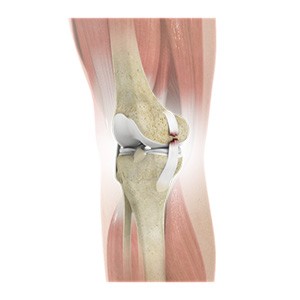
Ligaments are strong bands of tissue that connect bones and help stabilize the knee joint. Injury occurs when a ligament stretches beyond its normal range or tears partially or completely.
The knee contains four primary stabilizing ligaments:
Anterior Cruciate Ligament (ACL)
The ACL helps control forward movement and rotational stability of the knee. ACL injuries commonly occur during sports involving cutting, pivoting, jumping, or sudden changes in direction.
Posterior Cruciate Ligament (PCL)
The PCL prevents the shinbone from moving backward and is often injured during direct impact events such as falls or motor vehicle accidents.
Medial Collateral Ligament (MCL)
The MCL stabilizes the inner side of the knee and is frequently injured through contact sports or valgus stress injuries.
Lateral Collateral Ligament (LCL)
The LCL supports the outer side of the knee and helps resist excessive side-to-side movement.
Some patients may experience injuries involving multiple ligaments simultaneously.
Symptoms of a Knee Ligament Injury
Symptoms vary depending on the ligament injured and severity of damage.
Common symptoms include:
- Sudden knee pain after injury
- Popping sensation during injury
- Swelling around the knee
- Knee instability or buckling
- Reduced range of motion
- Difficulty walking
- Pain during pivoting movements
- Weakness or loss of confidence in the knee
- Bruising around the joint
- Difficulty returning to sports
What Does a Torn Knee Ligament Feel Like?
Patients often describe a torn ligament as a sudden pop followed by pain, swelling, instability, and the sensation that the knee may “give out.”
Common Causes of Knee Ligament Injuries
Knee ligament injuries may occur through sports participation, trauma, or sudden movement patterns.
Common causes include:
- Pivoting or cutting motions
- Sudden changes in direction
- Jumping and awkward landings
- Direct impact injuries
- Falls
- Contact sports
- Hyperextension injuries
- Twisting injuries
Sports frequently associated with ligament injuries include football, soccer, basketball, volleyball, skiing, wrestling, and track activities.
Types and Severity of Knee Ligament Injuries
Ligament injuries are commonly classified into three grades:
Grade 1 Sprain
Mild stretching without significant instability.
Grade 2 Sprain
Partial ligament tear with moderate instability.
Grade 3 Tear
Complete ligament rupture causing significant instability and functional impairment.
Accurate grading helps guide treatment recommendations.
How Are Knee Ligament Injuries Diagnosed?
Proper diagnosis identifies the injured structure and determines treatment options.
Medical History and Physical Examination
Dr. Byington evaluates:
- Injury mechanism
- Swelling patterns
- Knee stability
- Motion limitations
- Strength deficits
- Functional limitations
Special ligament tests help assess stability and identify the affected ligament.
X-Rays
X-rays help rule out fractures and evaluate alignment.
MRI
MRI provides detailed assessment of:
MRI is frequently used because ligament injuries often occur alongside meniscus or cartilage damage.

Matthew Byington, DO Board Certified Orthopaedic Surgeon
Dr. Matthew Byington is a board certified Orthopedic Surgeon, specializing in minimally invasive arthroscopic techniques and sports medicine. He specializes in Shoulder, Knee and Elbow conditions, although he treats all orthopedic conditions.
Non-Surgical Treatment for Knee Ligament Injuries
Many ligament injuries improve without surgery depending on severity and activity demands.
Rest, Ice, Compression, and Elevation (RICE)
Early treatment focuses on controlling pain and swelling.
Bracing
Knee braces may provide stability during healing.
Physical Therapy
Therapy focuses on:
- Range of motion restoration
- Strength development
- Stability training
- Balance improvement
- Sport-specific progression
Activity Modification
Temporary modification helps prevent reinjury while healing occurs.
Functional Rehabilitation
Athletes often undergo progressive return-to-sport programs designed to restore confidence and performance.
When Is Surgery Needed?
Surgical treatment may be considered when:
- Complete ligament tears occur
- Instability persists
- Conservative care fails
- Multiple ligaments are injured
- Athletes wish to return to pivoting sports
- Meniscus or cartilage injuries coexist
Treatment recommendations are individualized based on age, activity level, goals, and injury severity.
Surgical Options for Knee Ligament Injuries
ACL Reconstruction
ACL reconstruction replaces the torn ligament using graft tissue to restore stability and knee function.
This procedure is commonly recommended for athletes and active individuals with instability.
PCL Reconstruction
PCL reconstruction may be recommended for severe instability or combined ligament injuries.
MCL and LCL Reconstruction
Some collateral ligament injuries heal without surgery, while severe tears may require reconstruction.
Multi-Ligament Knee Reconstruction
Complex injuries involving multiple ligaments may require advanced reconstruction procedures.
Recovery After Knee Ligament Treatment
Recovery timelines vary depending on injury severity and treatment type.
Rehabilitation typically focuses on:
- Swelling reduction
- Motion restoration
- Strength rebuilding
- Stability training
- Functional movement progression
- Return-to-sport preparation
Athletes usually progress through structured rehabilitation protocols before returning to competition.
Why Choose Dr. Byington for Knee Ligament Treatment?
Matthew Byington, DO is a fellowship-trained orthopedic surgeon specializing in sports medicine and arthroscopic knee procedures.
He treats:
- ACL tears
- PCL injuries
- MCL injuries
- LCL injuries
- Meniscus tears
- Cartilage injuries
- Sports-related knee injuries
- Multi-ligament instability
Treatment plans are individualized to restore stability and help patients return to their desired activities.
Knee Ligament Injury Care Serving Lincoln & Omaha, Nebraska
Dr. Byington provides knee ligament evaluation and treatment for patients throughout:
Frequently Asked Questions About Knee Ligament Injuries
What is the most common knee ligament injury?
ACL tears are among the most common ligament injuries, particularly in athletes involved in pivoting sports.
Can knee ligament injuries heal without surgery?
Yes. Many MCL injuries and some partial tears improve with bracing and rehabilitation.
How do I know if I tore a ligament in my knee?
Symptoms often include a popping sensation, swelling, instability, pain, and difficulty walking.
When is ACL surgery necessary?
ACL reconstruction may be considered for active patients with instability or those returning to sports.
Can ligament injuries cause long-term problems?
Untreated instability may increase the risk of meniscus damage, cartilage injury, and arthritis.
How long does recovery take?
Recovery depends on severity and treatment. Rehabilitation may range from weeks to several months.
Find Treatment for Knee Ligament Injuries
If knee instability, swelling, or pain is limiting your activity, schedule an evaluation with Dr. Byington to discuss personalized treatment options for knee ligament injuries in Lincoln and Omaha, Nebraska.