
Knee Cartilage Defect & Cartilage Injury Treatment in Lincoln & Omaha, NE
Knee cartilage injuries can cause persistent pain, swelling, locking, catching sensations, and difficulty participating in sports or everyday activities. Unlike many tissues in the body, cartilage has limited healing potential, meaning untreated injuries may continue to worsen over time and may increase the risk of arthritis.
Matthew Byington, DO provides comprehensive evaluation and treatment for knee cartilage defects and cartilage injuries in Lincoln and Omaha. Treatment plans are individualized and may include conservative care, cartilage restoration procedures, and joint preservation techniques designed to improve function and preserve the knee joint.
Early evaluation may help prevent progression and support better long-term outcomes.
What Is a Knee Cartilage Defect?
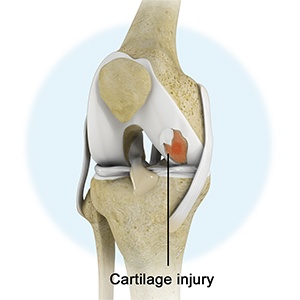
Cartilage is the smooth protective tissue that covers the ends of bones within the knee joint. Healthy cartilage allows the knee to move smoothly and absorb forces during walking, running, and sports activities.
A cartilage defect occurs when this protective surface becomes damaged or worn, creating areas of cartilage loss that expose underlying bone.
Cartilage injuries may range from small focal defects to larger areas of damage and may occur suddenly after injury or develop gradually over time.
Common types include:
Articular Cartilage Injuries
These affect the smooth cartilage covering the ends of the femur, tibia, or patella.
Chondral Defects
Chondral injuries involve damage limited to cartilage without extending into bone.
Osteochondral Defects
These injuries involve both cartilage and the underlying bone.
Degenerative Cartilage Loss
Cartilage breakdown associated with aging or arthritis progression.
Symptoms of Knee Cartilage Injury
Symptoms vary depending on the location and size of the defect.
Common symptoms include:
- Knee pain during activity
- Swelling or recurrent fluid buildup
- Locking or catching sensations
- Grinding or clicking
- Reduced range of motion
- Pain climbing stairs
- Knee stiffness
- Difficulty running or jumping
- Instability sensations
- Decreased athletic performance
What Does a Cartilage Injury in the Knee Feel Like?
Many patients describe cartilage injuries as deep knee pain combined with swelling, catching sensations, stiffness, or a feeling that the knee no longer moves smoothly.
What Causes Knee Cartilage Damage?
Cartilage injuries may occur through sports trauma, repetitive stress, or degeneration.
Common causes include:
- Sports injuries
- Twisting movements
- ACL tears
- Meniscus injuries
- Patellar instability
- Direct impact trauma
- Repetitive loading activities
- Previous knee surgery
- Osteoarthritis progression
Athletes participating in basketball, football, soccer, wrestling, volleyball, skiing, and running sports may have increased risk.
Types of Cartilage Injuries Treated
Several cartilage conditions may affect the knee.
Focal Cartilage Defects
Small isolated areas of cartilage damage often seen in active individuals.
Osteochondritis Dissecans (OCD)
A condition where cartilage and underlying bone become damaged or unstable.
Patellofemoral Cartilage Injuries
Damage affecting the kneecap and groove surfaces.
Post-Traumatic Cartilage Injury
Cartilage damage occurring after ligament injuries, fractures, or dislocations.
Degenerative Cartilage Wear
Gradual cartilage loss associated with age and joint wear.
How Are Knee Cartilage Injuries Diagnosed?
Accurate diagnosis helps determine treatment options and whether cartilage restoration procedures are appropriate.
Medical History and Physical Examination
Dr. Byington evaluates:
- Pain location
- Swelling patterns
- Mechanical symptoms
- Activity limitations
- Alignment issues
- Knee stability
X-Rays
X-rays help evaluate:
- Joint spacing
- Alignment
- Bone changes
- Associated arthritis
MRI
MRI is often the preferred imaging study because it helps identify:
- Cartilage defects
- Osteochondral lesions
- Meniscus injuries
- Ligament damage
- Bone edema
MRI also helps determine defect size and treatment planning.
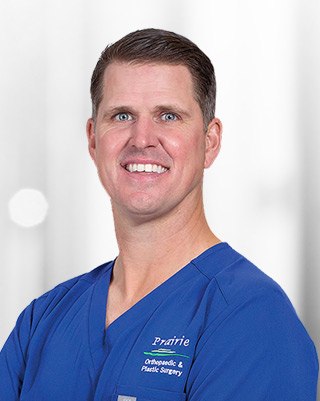
Matthew Byington, DO Board Certified Orthopaedic Surgeon
Dr. Matthew Byington is a board certified Orthopedic Surgeon, specializing in minimally invasive arthroscopic techniques and sports medicine. He specializes in Shoulder, Knee and Elbow conditions, although he treats all orthopedic conditions.
Non-Surgical Treatment for Knee Cartilage Injuries
Not every cartilage injury requires surgery.
Conservative treatment options may include:
Activity Modification
Reducing high-impact activity may decrease symptoms while protecting the joint.
Physical Therapy
Therapy may focus on:
- Strength development
- Motion improvement
- Patellar tracking
- Stability training
- Biomechanics correction
Anti-Inflammatory Medications
Medications may help reduce pain and inflammation.
Bracing
Selected patients may benefit from unloading braces or support devices.
Injection Therapy
Injections may be considered to improve symptoms and joint function in appropriate patients.
When Is Cartilage Restoration Surgery Considered?
Surgical treatment may be recommended when:
- Pain persists despite conservative treatment
- Mechanical symptoms continue
- Defects are focal and repairable
- Athletic goals require higher function
- Symptoms limit activity
- Joint preservation remains possible
Treatment depends on age, defect size, location, activity level, and associated injuries.
Surgical Treatment & Cartilage Restoration Procedures
Microfracture
Microfracture stimulates healing by creating small openings in the underlying bone to encourage cartilage repair tissue formation.
Osteochondral Autograft Transfer (OATS)
Healthy cartilage and bone are transferred from one area of the knee to another to restore damaged surfaces.
Osteochondral Allograft Transplantation
Larger cartilage defects may be treated using donor tissue transplantation.
Autologous Chondrocyte Implantation (ACI / MACI)
Advanced cartilage restoration procedures use a patient’s own cartilage cells to regenerate damaged areas.
Arthroscopic Debridement & Chondroplasty
Arthroscopic procedures may smooth unstable cartilage and reduce symptoms.
Cartilage Injury Recovery and Rehabilitation
Recovery depends on injury severity and treatment performed.
Rehabilitation commonly focuses on:
- Swelling control
- Motion restoration
- Strength rebuilding
- Joint protection
- Progressive activity return
- Sport-specific rehabilitation
Some cartilage restoration procedures involve longer recovery periods because healing occurs gradually.
Why Choose Dr. Byington for Cartilage Injury Treatment?
Matthew Byington, DO is a fellowship-trained orthopedic surgeon specializing in sports medicine and knee preservation procedures.
He treats conditions including:
- Cartilage defects
- Osteochondral injuries
- Meniscus tears
- ACL injuries
- Patellar instability
- Sports injuries
- Early arthritis
Treatment plans focus on preserving the joint whenever possible while restoring function and activity.
Knee Cartilage Treatment Serving Lincoln & Omaha, Nebraska
Dr. Byington provides evaluation and treatment for knee cartilage injuries for patients throughout:
Frequently Asked Questions About Knee Cartilage Defects
Can knee cartilage heal on its own?
Cartilage has limited healing ability because it has minimal blood supply. Some injuries require treatment to improve symptoms and preserve joint function.
What causes cartilage defects in the knee?
Sports injuries, trauma, instability, arthritis, and repetitive stress may contribute.
Do all cartilage injuries require surgery?
No. Many patients improve with therapy, activity modification, medications, and injections.
What is cartilage restoration surgery?
Cartilage restoration procedures attempt to repair or replace damaged cartilage while preserving the native joint.
Can cartilage injuries lead to arthritis?
Untreated cartilage loss may increase the risk of arthritis progression over time.
How long is recovery after cartilage surgery?
Recovery varies depending on the procedure and may range from several weeks to multiple months.
Preserve Your Knee Joint and Stay Active
If knee pain, swelling, catching, or loss of function is affecting your activity level, schedule an evaluation with Dr. Byington to discuss personalized treatment options for knee cartilage injuries and cartilage restoration in Lincoln and Omaha, Nebraska.