

Ulnar Nerve Decompression Surgery in Lincoln & Omaha, NE
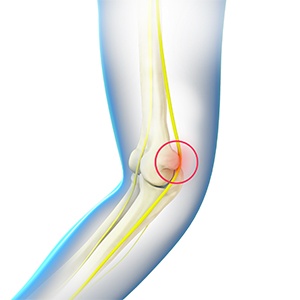
Ulnar nerve compression occurs when the ulnar nerve becomes irritated or trapped as it travels along the inner side of the elbow, most commonly at the cubital tunnel near the medial epicondyle. The ulnar nerve is one of the major nerves of the arm and controls sensation and fine motor function in the hand, especially the ring and little fingers. When compressed, it can cause pain, numbness, tingling, and weakness in the hand and forearm. Ulnar nerve decompression surgery is performed to relieve pressure on the nerve and restore normal function and sensation.
Matthew Byington, DO provides evaluation and treatment for cubital tunnel syndrome in Lincoln and Omaha, including ulnar nerve decompression surgery when conservative care fails.
What Is the Ulnar Nerve?
The ulnar nerve originates in the neck and travels down the arm, passing behind the elbow through a narrow passage called the cubital tunnel. It continues into the hand, controlling fine motor movements and grip strength, particularly in the ring and little fingers.
Because of its superficial location at the elbow, it is especially vulnerable to compression or irritation.
Causes of Ulnar Nerve Compression
Ulnar nerve entrapment may develop due to:
- Repetitive elbow bending or leaning on the elbow
- Prolonged flexed elbow positions (sleeping, phone use)
- Trauma or elbow fractures
- Arthritis or bone spurs
- Swelling or inflammation around the elbow
- Anatomical narrowing of the cubital tunnel
Symptoms of Cubital Tunnel Syndrome
Common symptoms include:
- Numbness or tingling in the ring and little fingers
- Burning pain on the inner side of the elbow
- Weak grip strength
- Hand clumsiness or dropping objects
- Symptoms worsening with elbow bending
- Muscle wasting in severe or chronic cases
How Ulnar Nerve Compression Is Diagnosed
Diagnosis typically involves:
- Medical history and symptom review
- Physical examination of nerve function
- Tinel’s test at the elbow
- Nerve conduction studies (EMG/NCS)
- Imaging (X-ray or MRI if structural causes are suspected)
Non-Surgical Treatment Options
Mild cases are often treated first with:
- Activity modification
- Avoiding prolonged elbow flexion
- Night splinting to keep the elbow straight
- Anti-inflammatory medications
- Physical therapy
- Ergonomic changes at work or during activities
If symptoms persist or worsen, surgery may be recommended.

Matthew Byington, DO Board Certified Orthopaedic Surgeon
Dr. Matthew Byington is a board certified Orthopedic Surgeon, specializing in minimally invasive arthroscopic techniques and sports medicine. He specializes in Shoulder, Knee and Elbow conditions, although he treats all orthopedic conditions.
When Is Ulnar Nerve Decompression Needed?
Surgery may be considered when:
- Symptoms persist despite conservative treatment
- There is progressive weakness or numbness
- Muscle wasting develops in the hand
- Nerve conduction studies show significant compression
- Daily activities are affected
How Ulnar Nerve Decompression Is Performed
Ulnar nerve decompression is performed to relieve pressure on the nerve at the elbow.
Surgical steps may include:
- Small incision over the inner elbow
- Identification of the ulnar nerve
- Release of tight surrounding tissues (cubital tunnel release)
- Removal of compressive structures if present
- In some cases, nerve transposition to a safer position
- Closure of incision with sutures
The goal is to allow the nerve to glide freely and reduce irritation.
Recovery After Surgery
Recovery typically includes:
- Arm elevation and wound care
- Short-term splinting in some cases
- Gradual return of elbow motion
- Pain control with medications
- Physical therapy if needed
- Return to normal activities over several weeks
Nerve recovery may continue for months depending on severity.
Benefits of Ulnar Nerve Decompression
- Relief from numbness and tingling
- Improved hand strength and coordination
- Prevention of permanent nerve damage
- Reduced elbow pain
- Improved quality of life and function
Risks & Complications
Possible risks include:
- Infection
- Bleeding
- Nerve irritation or injury
- Persistent or recurrent symptoms
- Elbow stiffness
- Scar sensitivity
- Incomplete symptom relief in severe cases
Why Choose Matthew Byington, DO
Matthew Byington, DO specializes in the diagnosis and treatment of complex upper extremity nerve conditions, including cubital tunnel syndrome and ulnar nerve entrapment. His treatment approach focuses on accurate diagnosis, minimally invasive decompression techniques when appropriate, and structured recovery plans to restore hand strength and nerve function.
Each case is evaluated individually to ensure the most effective treatment strategy.
Frequently Asked Questions
What is cubital tunnel syndrome?
It is compression of the ulnar nerve at the elbow.
Can ulnar nerve compression heal without surgery?
Yes, mild cases often improve with splinting and activity changes.
How long is recovery after surgery?
Most patients recover over several weeks, with nerve healing continuing for months.
Will my numbness go away completely?
Many patients improve significantly, though severe cases may take longer.
Is surgery always required?
No, only persistent or severe cases require surgery.
Restore Nerve Function & Hand Strength
If numbness, tingling, or weakness in your hand is affecting daily activities, ulnar nerve decompression may help restore function and prevent long-term nerve damage.
Schedule a consultation with Matthew Byington, DO to discuss your treatment options.