

Tennis Elbow Surgery in Lincoln & Omaha, NE
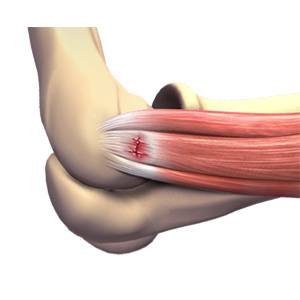
Tennis elbow, also known as lateral epicondylitis, is a painful condition caused by overuse of the forearm muscles, leading to inflammation and micro-tearing of the tendons that attach to the lateral epicondyle (the bony prominence on the outside of the elbow). It often develops gradually and can cause significant pain, weakness, and reduced grip strength. While most cases improve with non-surgical treatment, persistent symptoms may require surgical intervention. Tennis elbow surgery, also called lateral epicondyle release, removes or releases diseased tendon tissue to relieve pain and restore function.
Matthew Byington, DO provides evaluation and treatment for chronic elbow pain in Lincoln and Omaha, including surgical management of tennis elbow when conservative care fails.
What Is Tennis Elbow?
Tennis elbow is a tendinopathy affecting the extensor tendons of the forearm that attach to the lateral epicondyle of the humerus. Repetitive stress leads to degeneration and inflammation of these tendons, causing pain on the outside of the elbow.
Causes of Tennis Elbow
Tennis elbow is commonly caused by repetitive or forceful use of the forearm, including:
- Racquet sports (especially improper backhand technique)
- Painting or construction work
- Typing or computer use
- Hammering or carpentry
- Gardening and raking
- Lifting or gripping heavy objects
- Repetitive occupational tasks
It may also occur after trauma such as a fall or direct injury.
Symptoms of Tennis Elbow
Patients may experience:
- Gradual onset of elbow pain
- Pain on the outside of the elbow
- Pain radiating into the forearm and wrist
- Weak grip strength
- Pain worsened by lifting or gripping
- Discomfort when extending the wrist or lifting objects
How Tennis Elbow Is Diagnosed
Diagnosis typically includes:
- Medical history review
- Physical examination and strength testing
- Pain provocation tests
- X-rays to rule out arthritis or fractures
- MRI (in persistent cases) to evaluate tendon damage
When Is Tennis Elbow Surgery Recommended?
Surgery is considered when:
- Symptoms persist for 6–12 months
- Conservative treatment fails (rest, therapy, injections)
- Pain significantly affects daily activities
- Tendon degeneration is severe
Surgery is required in a small percentage of patients and is typically a last resort.
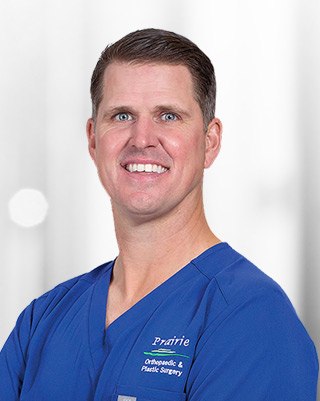
Matthew Byington, DO Board Certified Orthopaedic Surgeon
Dr. Matthew Byington is a board certified Orthopedic Surgeon, specializing in minimally invasive arthroscopic techniques and sports medicine. He specializes in Shoulder, Knee and Elbow conditions, although he treats all orthopedic conditions.
How Tennis Elbow Surgery Is Performed
Tennis elbow surgery can be performed using traditional open techniques or minimally invasive/endoscopic methods.
Surgical steps may include:
- Small incision(s) over the lateral elbow
- Identification of the diseased extensor tendon
- Removal or release of damaged tendon tissue
- Debridement of scar tissue and inflamed structures
- Removal of bone spurs if present
- Reattachment of healthy tendon to bone (if needed)
- Closure of incision with sutures or steri-strips
Minimally invasive techniques use smaller incisions and a camera for visualization, reducing tissue disruption.
Recovery After Tennis Elbow Surgery
Recovery typically includes:
- Short period of immobilization or splinting
- Pain management with medications
- Gradual return of elbow motion
- Physical or occupational therapy
- Strengthening and stretching exercises
- Return to normal activities over several weeks to months
Full recovery depends on severity and type of procedure performed.
Benefits of Tennis Elbow Surgery
- Long-term pain relief
- Improved grip strength
- Restoration of elbow function
- High success rate in appropriate candidates
- Ability to return to work and sports
- Minimally invasive options available
Risks & Complications
Possible risks include:
- Infection
- Radial nerve irritation or injury
- Forearm or wrist weakness
- Persistent or recurrent pain
- Stiffness of the elbow
- Delayed healing
- Anesthesia-related complications
- Rare systemic complications (blood clots, cardiopulmonary issues)
Why Choose Matthew Byington, DO
Matthew Byington, DO specializes in treating complex elbow conditions, including chronic lateral epicondylitis requiring surgical intervention. His approach emphasizes accurate diagnosis, minimally invasive techniques when appropriate, and structured rehabilitation to restore strength and function.
Each treatment plan is tailored to the patient’s activity level, symptoms, and treatment history.
Frequently Asked Questions
Is surgery always needed for tennis elbow?
No, most cases improve with non-surgical treatment.
How successful is tennis elbow surgery?
Success rates are typically high, especially in chronic cases.
How long is recovery?
Recovery may take several weeks to a few months.
Will I need physical therapy?
Yes, therapy is important for restoring strength and function.
Can tennis elbow come back after surgery?
Recurrence is uncommon but possible with repetitive strain.
Relieve Chronic Elbow Pain & Restore Strength
If persistent elbow pain is limiting your ability to work, play sports, or perform daily tasks, tennis elbow surgery may provide long-term relief.
Schedule a consultation with Matthew Byington, DO to discuss your treatment options.