

Tennis Elbow Treatment in Lincoln & Omaha, NE
Tennis elbow is a common overuse condition that causes pain on the outside of the elbow and may affect gripping, lifting, sports participation, and everyday activities. Despite its name, tennis elbow does not only affect athletes. Many patients develop symptoms from repetitive work activities, manual labor, computer use, or household tasks.
As symptoms progress, even simple activities such as shaking hands, carrying objects, opening jars, or lifting a coffee cup may become painful.
Matthew Byington, DO provides comprehensive diagnosis and treatment for tennis elbow in Lincoln and Omaha, offering individualized non-surgical and surgical treatment options designed to reduce pain and restore arm function.
Treatment recommendations depend on symptom severity, activity demands, and response to conservative care.
What Is a Tennis Elbow?
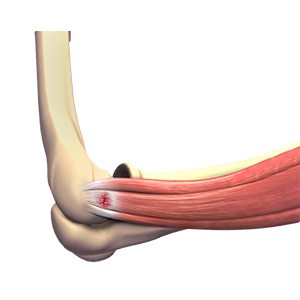
Tennis elbow, also known as lateral epicondylitis, occurs when the tendons attaching to the outside portion of the elbow become irritated or damaged.
The condition most commonly affects the extensor carpi radialis brevis (ECRB) tendon, which helps stabilize and extend the wrist.
Repeated stress and overuse may create microscopic tendon injury that leads to pain and weakness.
Although tennis players may develop the condition, most patients are not athletes.
Symptoms of Tennis Elbow
Symptoms often develop gradually and worsen over time.
Common symptoms include:
- Pain on the outside of the elbow
- Pain with gripping or lifting
- Weak grip strength
- Pain while shaking hands
- Discomfort turning doorknobs
- Pain lifting objects
- Forearm aching
- Symptoms during sports activities
- Difficulty carrying items
- Tenderness over the outer elbow
What Does Tennis Elbow Feel Like?
Many patients describe tennis elbow as aching or burning pain on the outside of the elbow that worsens with gripping, lifting, or repetitive hand activity.
What Causes Tennis Elbow?
Tennis elbow develops from repetitive stress and tendon overuse.
Common causes include:
- Repetitive gripping activities
- Racquet sports
- Weight training
- Manual labor
- Repetitive lifting
- Computer and mouse use
- Tool use
- Painting
- Carpentry work
- Gardening activities
Athletes participating in tennis, pickleball, racquet sports, golf, baseball, and throwing activities may have increased risk.
Who Is at Risk for Tennis Elbow?
Risk factors include:
- Repetitive occupations
- Manual labor jobs
- Racquet sports participation
- Repetitive wrist motion
- Age between 30–50 years
- Heavy lifting activities
- Poor sports mechanics

Matthew Byington, DO Board Certified Orthopaedic Surgeon
Dr. Matthew Byington is a board certified Orthopedic Surgeon, specializing in minimally invasive arthroscopic techniques and sports medicine. He specializes in Shoulder, Knee and Elbow conditions, although he treats all orthopedic conditions.
How Is Tennis Elbow Diagnosed?
Accurate diagnosis helps rule out nerve compression, arthritis, and other elbow conditions.
Medical History and Physical Examination
Dr. Byington evaluates:
- Pain location
- Grip strength
- Tenderness areas
- Wrist motion
- Activity history
- Functional limitations
Specific tests may reproduce symptoms associated with lateral epicondylitis.
X-Rays
X-rays may help evaluate:
- Arthritis
- Bone abnormalities
- Elbow degeneration
- Previous injury changes
MRI
MRI may be recommended to evaluate:
- Tendon damage
- Chronic degeneration
- Associated injuries
Ultrasound
Diagnostic ultrasound may help assess tendon quality and inflammation.
Non-Surgical Treatment for Tennis Elbow
Most patients improve without surgery.
Activity Modification
Reducing repetitive gripping and aggravating activities may help relieve symptoms.
Physical Therapy
Therapy commonly focuses on:
- Stretching exercises
- Strength progression
- Eccentric loading programs
- Biomechanics correction
- Functional rehabilitation
Anti-Inflammatory Medications
NSAIDs may help reduce pain and inflammation.
Bracing
Counterforce straps or wrist supports may reduce tendon stress.
Ice Therapy
Ice may help control pain after activity.
Injection Therapy
Selected patients may benefit from treatment options such as:
- Corticosteroid injections
- Other regenerative treatment approaches when appropriate
When Is Surgery Needed for Tennis Elbow?
Surgery may be considered when:
- Symptoms persist despite treatment
- Pain affects work activities
- Grip strength declines
- Conservative care fails
- Function continues to worsen
Most patients improve without surgery.
Surgical Treatment for Tennis Elbow
Tennis Elbow Release and Debridement
Surgery removes damaged tissue and addresses degenerative tendon changes.
Tendon Repair Procedures
Selected patients may require tendon repair or reconstruction procedures.
Arthroscopic Tennis Elbow Surgery
Minimally invasive techniques may be used in certain cases.
Treatment depends on tendon condition and symptom severity.
Recovery After Tennis Elbow Treatment
Recovery depends on treatment type and symptom duration.
Rehabilitation commonly focuses on:
- Pain reduction
- Motion restoration
- Strength rebuilding
- Grip improvement
- Return-to-activity progression
Patients often gradually return to sports and work activities.
Why Choose Dr. Byington for Tennis Elbow Treatment?
Matthew Byington, DO is a fellowship-trained orthopedic surgeon specializing in sports medicine and upper extremity conditions.
He treats:
- Tennis elbow
- Golfer’s elbow
- Tendon injuries
- Elbow pain
- Sports injuries
- Overuse conditions
- Upper extremity disorders
Treatment plans are individualized to reduce pain and restore function.
Tennis Elbow Treatment Serving Lincoln & Omaha, Nebraska
Dr. Byington provides tennis elbow evaluation and treatment for patients throughout:
Frequently Asked Questions About Tennis Elbow
Can tennis elbow heal without surgery?
Yes. Most patients improve with therapy, activity modification, bracing, and conservative treatment.
What causes pain on the outside of the elbow?
Tennis elbow is one of the most common causes, although arthritis and nerve conditions may also contribute.
How long does tennis elbow last?
Symptoms vary and may improve over weeks to months depending on severity and treatment.
Do I need surgery for my tennis elbow?
Most patients do not require surgery. Surgical treatment is generally considered after failure of conservative care.
Can tennis elbow occur without playing tennis?
Yes. Most patients develop symptoms from work activities or repetitive arm use rather than sports.
What activities worsen tennis elbow?
Gripping, lifting, repetitive wrist extension, racquet sports, and tool use commonly aggravate symptoms.
Find Relief From Elbow Pain
If elbow pain, weakness, or difficulty gripping is affecting work, sports, exercise, or daily activities, schedule an evaluation with Matthew Byington, DO to discuss personalized treatment options for tennis elbow in Lincoln and Omaha, Nebraska.