











Healthcare News
How to Treat an MCL Sprain
MCL injuries frequently occur while participating in sports. They are usually caused by twisting, cutting (making quick directional changes), or bending movements.
Source: Verywell Health
Meniscal preservation may improve ACL reconstruction outcomes in concurrent meniscal tears
In patients undergoing primary ACL reconstruction with a meniscal tear, partial meniscectomy may increase the risk for revision ACL surgery and conversion to total knee arthroplasty, according to results
Source: Healio
How Raynaud`s Disease Affects Your Hands and Feet
Raynaud's disease, sometimes called Raynaud's syndrome or Raynaud's phenomenon, causes your hands and feet to turn numb and white in cold weather. Avoiding cold and stress may prevent attacks.
Source: Health
Shoulder scans in most people above 40 show rotator cuff abnormalities, pain or not
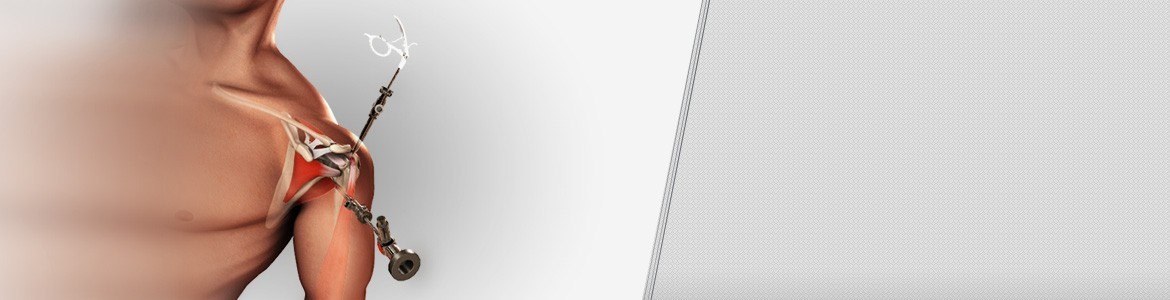
Shoulder pain is the third most common musculoskeletal complaint seen by doctors, affecting approximately 18-31% of the global population each month. Up to 85% of these cases are due to problems with the rotator cuff (RC)-the shoulder's built-in support system. Made up of four muscles and their tendons, the RC keeps the upper arm bone securely in the socket while allowing the arm to lift, rotate, and move smoothly.
Source: Medical Xpress
Physical Therapy Exercises for Recovery From a Clavicle Fracture
A fractured clavicle, or fractured collarbone, generally occurs from a fall onto the shoulder or after enough pressure is placed on the bone that it breaks. The fracture may be partial or complete and often requires surgical repair or immobilization while it heals.
Source: Verywell health